
Halal Dining Etiquette in Different Cultures
A Global Guide to Respectful & Refined Halal Dining
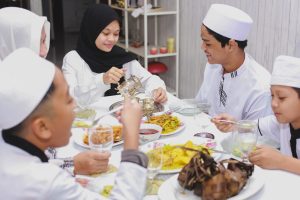
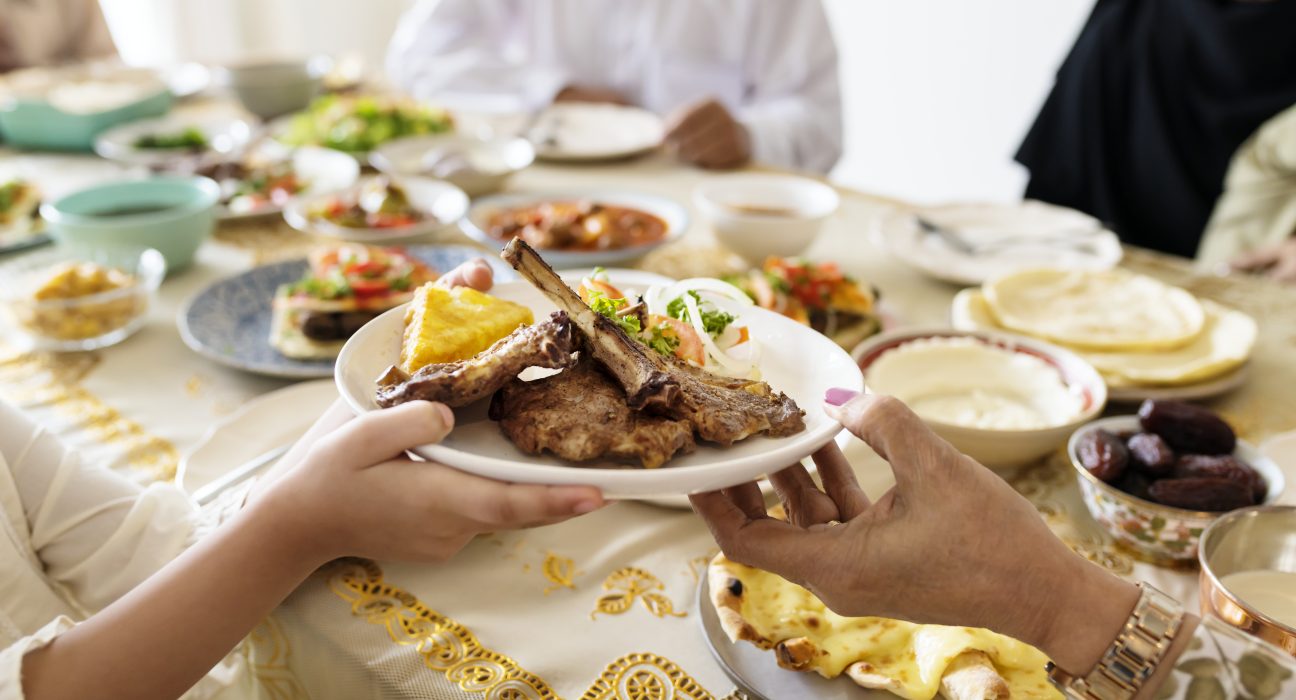
When we think of halal food, we often focus on what we can eat—but just as important is how we eat. Across the Muslim world and beyond, halal dining etiquette reflects faith, culture, and community. While core Islamic principles stay consistent, different regions add their own beautiful customs to the table.
Here’s a look at halal dining etiquette across various cultures, so you can eat respectfully, whether you’re traveling, hosting, or simply curious.
☪️ The Core of Halal Dining Etiquette
Before diving into regional practices, here are the universal Islamic etiquettes that guide halal dining:
-
Say “Bismillah” (In the name of Allah) before eating
-
Eat with the right hand
-
Avoid extravagance or wastefulness
-
Be thankful and share food when possible
-
Say “Alhamdulillah” (All praise is due to Allah) after finishing
These are rooted in hadith and practiced by Muslims everywhere—but each culture builds beautifully upon them.
🇸🇦 Arab Cultures (Saudi Arabia, UAE, Levant)
Dining Style: Often communal with large platters (e.g., kabsa, mansaf) placed at the center.
Etiquette Highlights:
-
Sit on the floor or low cushions during traditional meals
-
Elders are served first as a sign of respect
-
It’s polite to eat from your section of the shared dish
-
Avoid pointing feet toward food while sitting cross-legged
Hospitality Note: Refusing second helpings may be taken as a sign of disapproval—so prepare to eat well!
🇮🇩 Southeast Asia (Indonesia, Malaysia, Brunei)
Dining Style: Plates are often individually portioned, but shared side dishes are common.
Etiquette Highlights:
-
Always remove shoes before entering someone’s dining area or home
-
Use the right hand, even when eating with a spoon
-
Saying “Selamat makan” (happy eating) is a warm gesture to start
-
Wait for the host to begin before eating
Unique Touch: In some Javanese Muslim communities, silence is observed during the first few minutes of eating out of gratitude.
🇹🇷 Turkey
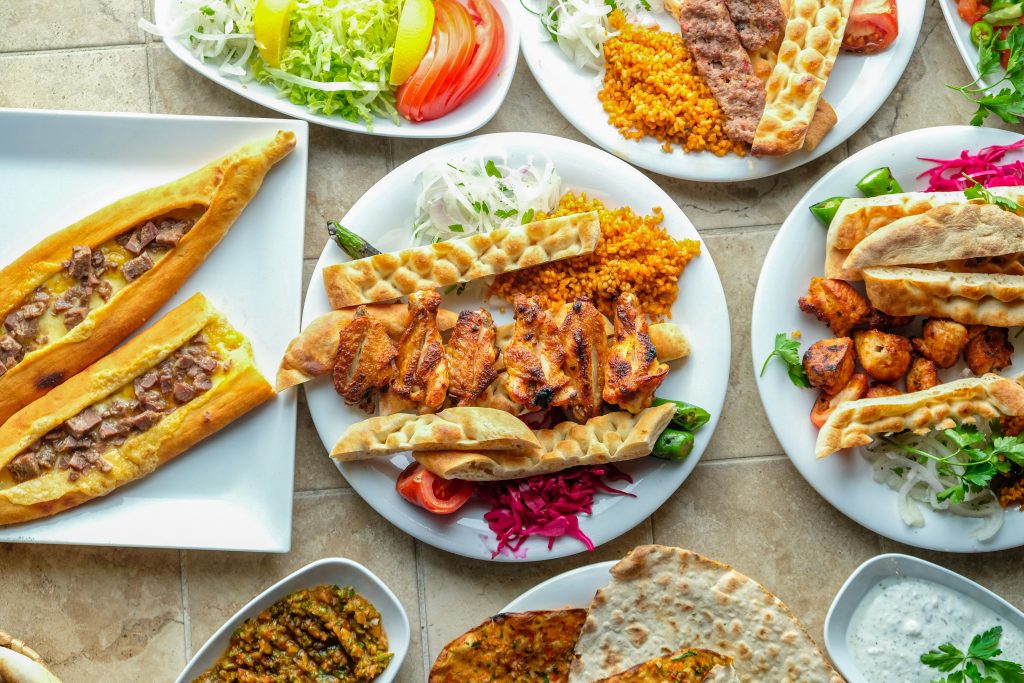
Dining Style: Table setting is European-influenced, but family-style servings remain popular.
Etiquette Highlights:
-
Bread is revered—don’t throw or waste it
-
Offer tea or sweets after the meal as a cultural norm
-
Elders often recite du’a (prayer) aloud after the meal
-
It’s customary to say “Afiyet olsun” (may it be good for you)
Hospitality Tip: Hosts may continue offering food long after you’re full—it’s okay to politely decline after thanking them.
🇳🇬 West Africa (Nigeria, Senegal, Ghana – Muslim communities)
Dining Style: Communal bowls are common, especially with dishes like jollof rice or thieboudienne.
Etiquette Highlights:
-
Washing hands before and after the meal is essential (sometimes with a water jug and basin)
-
Silence is appreciated during eating as a sign of focus and gratitude
-
Children often eat separately to avoid disrupting elders’ meal time
Islamic Tie-In: Food is considered a trust from Allah, and wasting it is culturally and religiously frowned upon.
🇧🇩🇵🇰🇮🇳 South Asia (Bangladesh, Pakistan, India – Muslim communities)
Dining Style: Typically eaten with hands; rice and roti-based dishes dominate.
Etiquette Highlights:
-
Food is often eaten seated on the floor in traditional settings
-
Cleanliness is emphasized: hands must be washed before touching food
-
Saying “JazakAllah” or “Shukriya” to the cook is a sign of respect
-
Guests are served first and often offered multiple rounds
Ramadan Note: In many families, guests are invited for iftar, and declining is considered impolite unless you have a valid reason.
🇺🇸🇬🇧 Western Muslim Communities
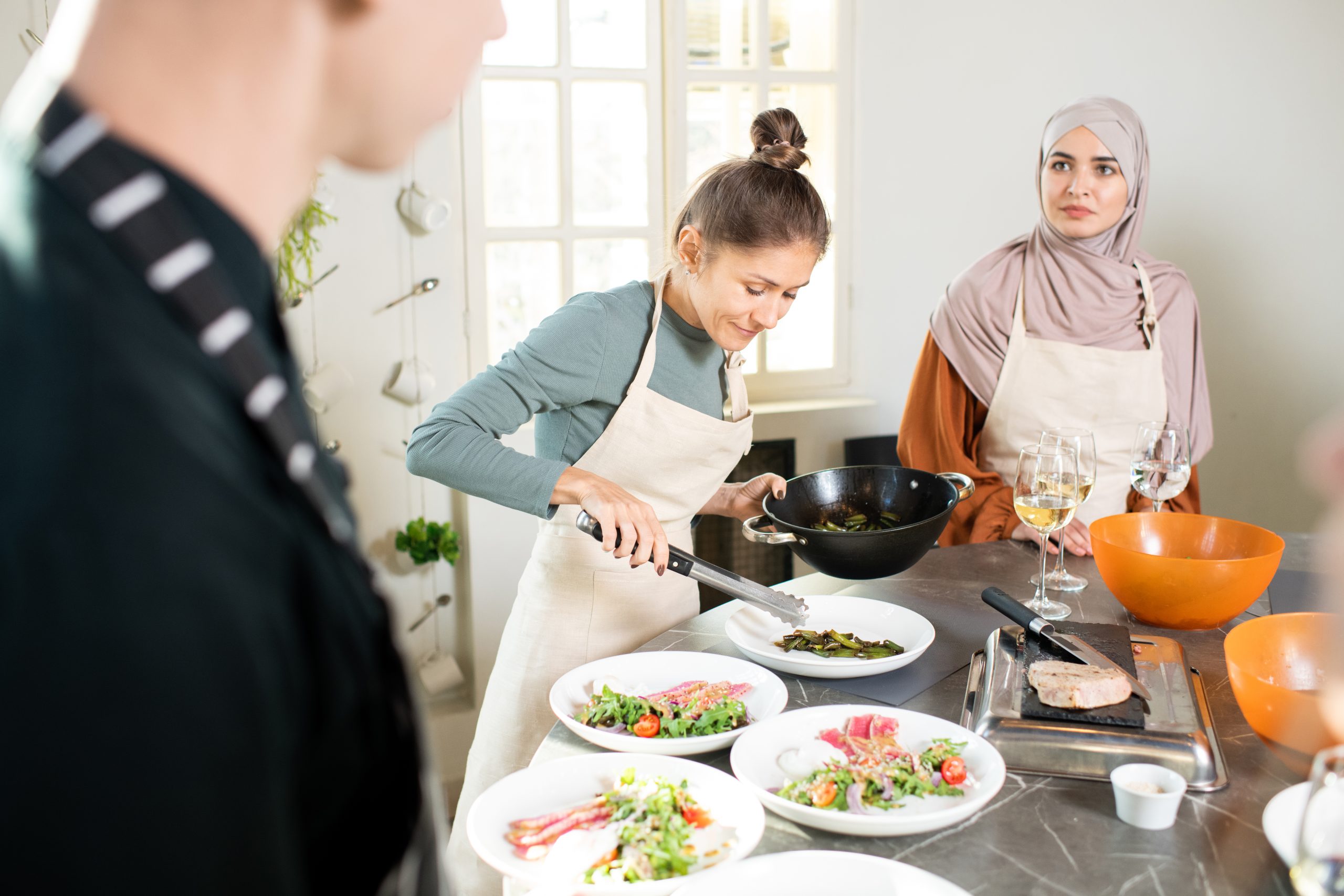
Dining Style: Often blends Islamic etiquette with local norms like dining at tables and using cutlery.
Etiquette Highlights:
-
Saying “Bismillah” silently in group settings
-
Looking out for hidden haram ingredients (e.g., gelatin, alcohol-based sauces)
-
Respecting different levels of halal observance within the group
-
Hosting with diverse dietary preferences in mind (vegan, gluten-free, etc.)
Cultural Adaptation: It’s common to explain halal practices to non-Muslim guests during interfaith dinners or potlucks.
💬 Final Thoughts
Halal dining etiquette isn’t just about rules—it’s about honoring faith, showing gratitude, and creating connection through food. Whether you’re eating with your hands in Lagos or sipping soup in Istanbul, the values of respect, humility, and sharing unite us all.