
What Is Halal Food? A Complete Guide to Halal Diet Food and BBQ Halal Food
Introduction to Halal Food: The Significance of Halal
“What is halal food?”
It’s a question that comes up frequently in the varied culinary world of today. Fundamentally, halal is an Arabic word that means “permissible,” and it describes anything that is permitted by Islamic law. This covers the procurement, preparation, and serving of food. For Muslims, eating halal food is a religious duty based on compassion and spiritual discipline, not just a lifestyle choice.
Understanding halal diet food is essential whether you’re a food enthusiast, health-conscious eater, or restaurant owner hoping to serve a growing clientele. The world of halal is as tasty as it is significant, ranging from BBQ halal food festivals to regular snacks.
What Is Halal Food? Dissecting It Just
The term what is halal food? describes foods that comply with Islamic law. The most commonly accepted guidelines consist of:
- No pork or its byproducts
- No blood or carrion
- No carnivorous animals or birds of prey.
- No alcohol or other intoxicants
- Animals must be killed in the name of God (Zabiha)
Crucially, halal encompasses more than just meat; it also includes dairy products, snacks, desserts, sauces, and even non-food products like vitamins and makeup.
The Essence of Halal: Why It Is Important
What makes the question what is halal food so important, then? Eating halal food is a religious practice for Muslims. It guarantees that the food is hygienic, spiritually pure, and sourced ethically.
Eating mindfully is another benefit of adhering to a halal diet. Halal is in line with sustainable and compassionate practices that are becoming more and more well-liked worldwide, thanks to its clean-label ingredients and low animal suffering.
What Qualifies as Meat Halal? Comprehending Zabiha
In Islam, Zabiha food — the process of killing animals—is necessary for meat to be deemed halal. This is how it differs:
- The animal must be in good health when it is killed.
2. For a quick, painless cut to the throat, a sharp knife is required.
3. It is necessary to pronounce God’s name (“Bismillah, Allahu Akbar”).4. The blood must be completely drained.
5. An adult Muslim who is sane must carry out the slaughter.
This practice guarantees both ethical treatment of animals and spiritual adherence.
Which Foods Are Listed as Halal?
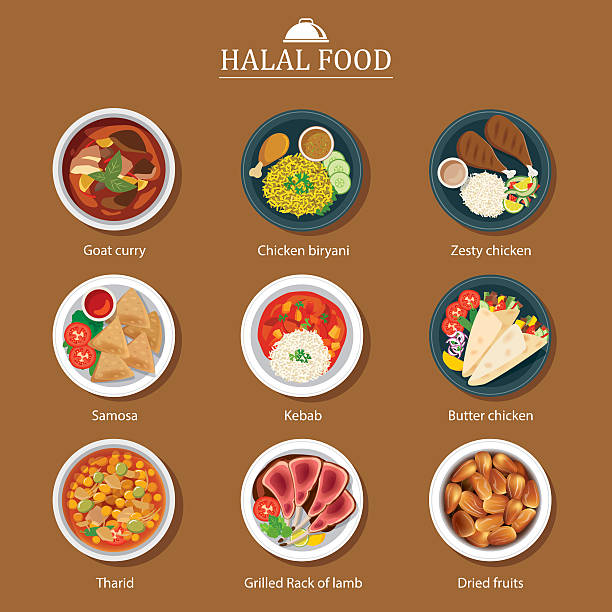
Are you curious about what to eat when living a halal lifestyle? Popular foods for a halal diet include:
- Seafood, dairy products (from halal sources), and fresh fruits and vegetables
- Cereals and whole grains
- Rice, pasta, and legumes; meats and poultry with Halal certification; vegan and vegetarian foods (provided they don’t contain alcohol or animal-based enzymes); and cleanly labeled sauces, dressings, desserts, and snacks
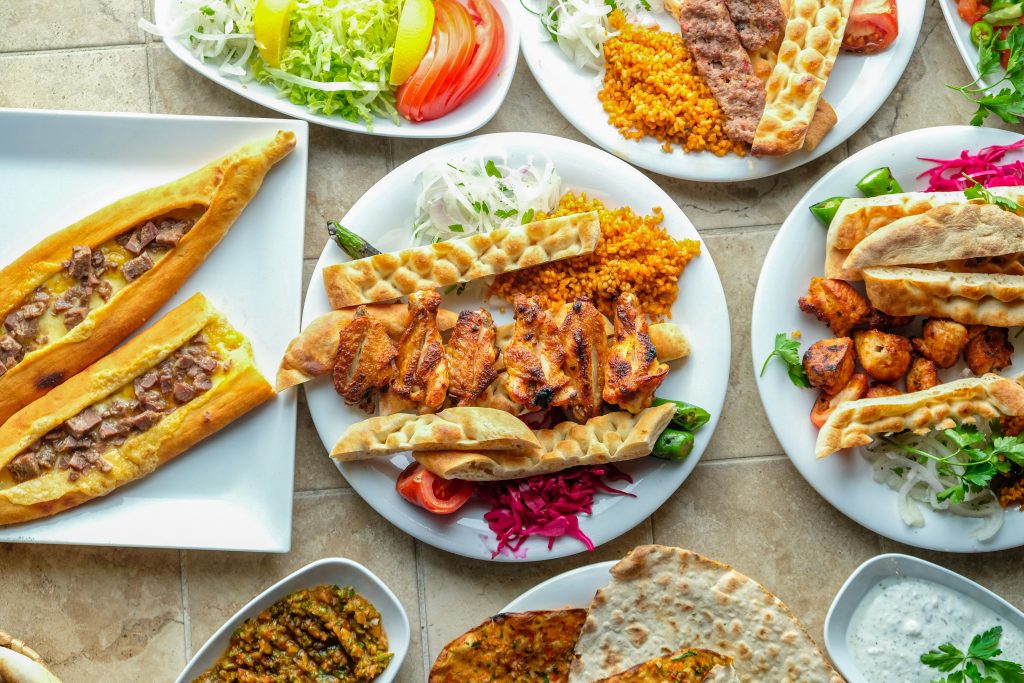
Even grilled chicken, lamb skewers, and kebabs are completely acceptable as long as they are prepared halal.
Haram: What Is It? The List of Prohibited Items
“Haram” means prohibited, just as “halal” means allowed. The following are typical haram items:
- Pork and its leftovers
- Alcohol (including food prepared with wine or beer); animals not killed by Zabiha; carnivores and raptors; foods containing gelatin derived from non-halal sources; specific enzymes, lard, or rennet
Hidden haram ingredients in processed foods should always be avoided.
Halal Diet Food: A Nutritious Approach to Eating
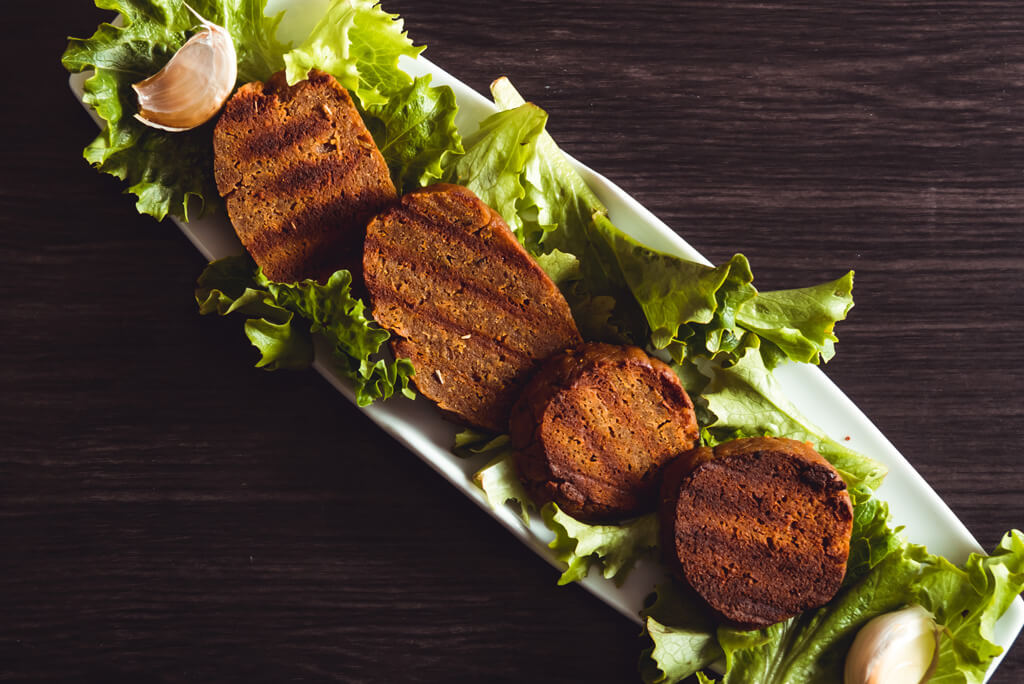
Due to its ethical and hygienic profile, halal diet food is becoming popular among both Muslims and non-Muslims. It frequently complements grass-fed, organic, and GMO-free options.
Higher food hygiene standards, transparent sourcing and labeling, minimal chemical processing, and ethical animal welfare practices are some advantages of eating halal food.
Making the switch to halal diet food is nourishing and spiritually satisfying if you’re on a wellness journey or thinking about making dietary changes for religious reasons.
BBQ Halal Food: Faith and Flavor Come Together
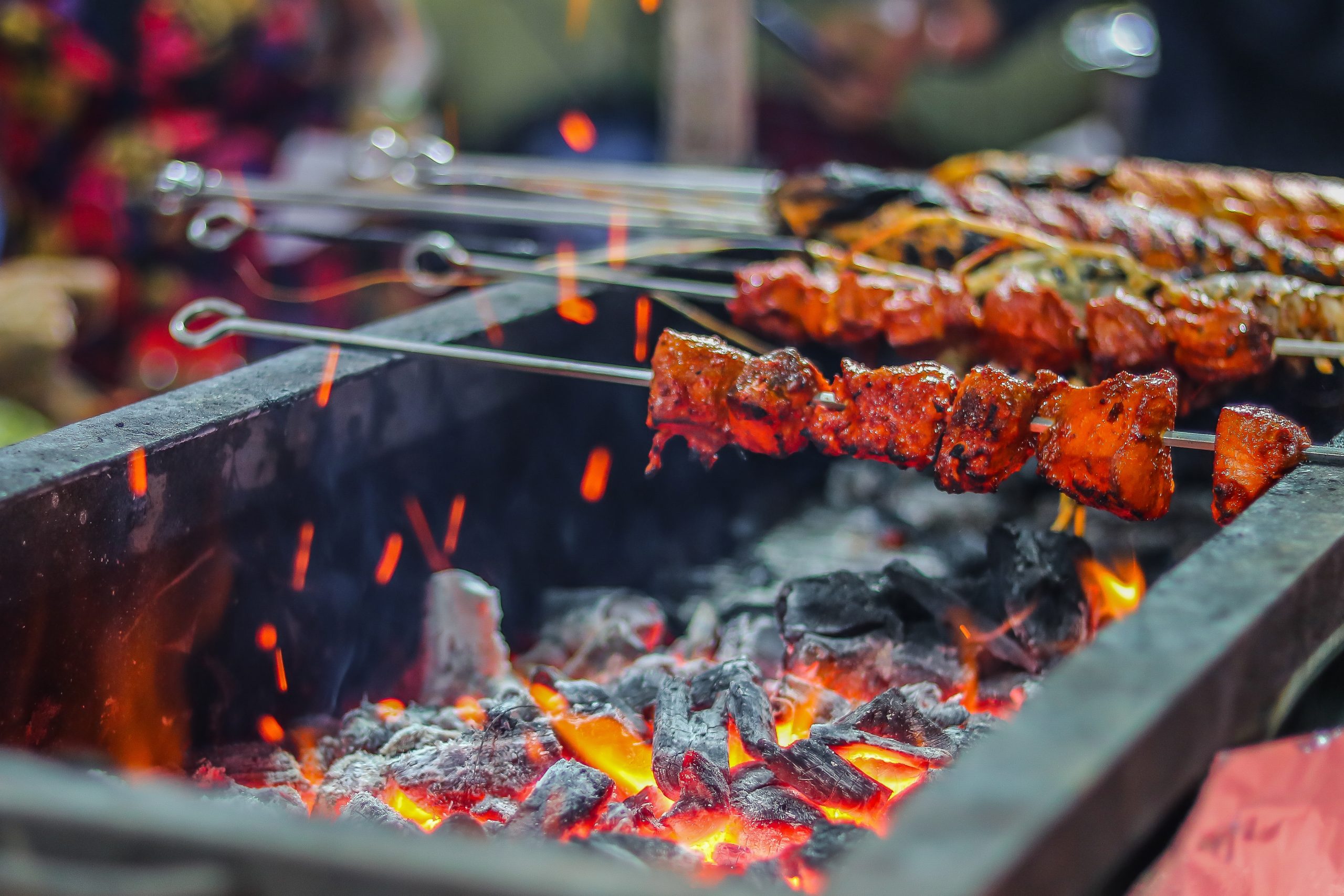
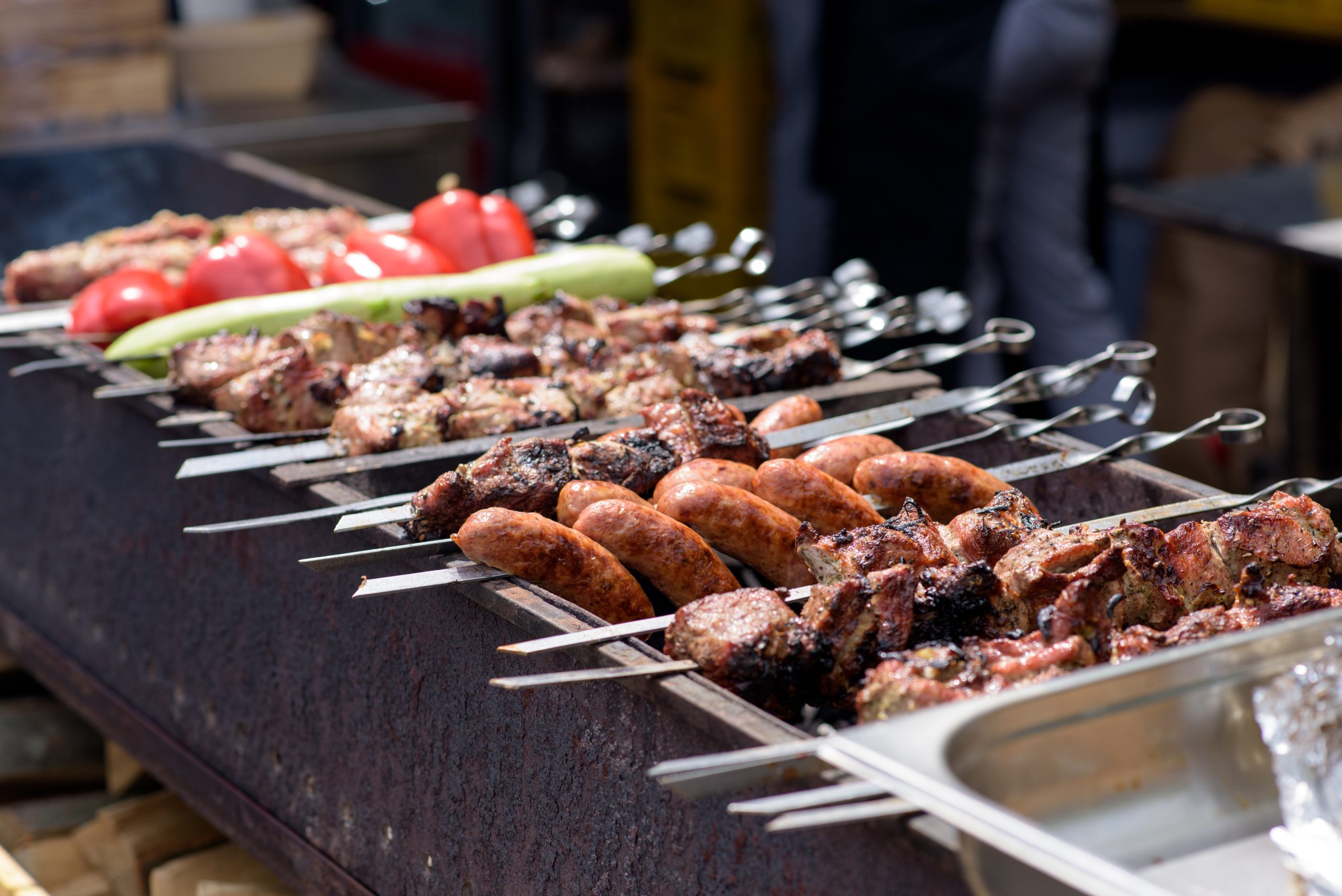
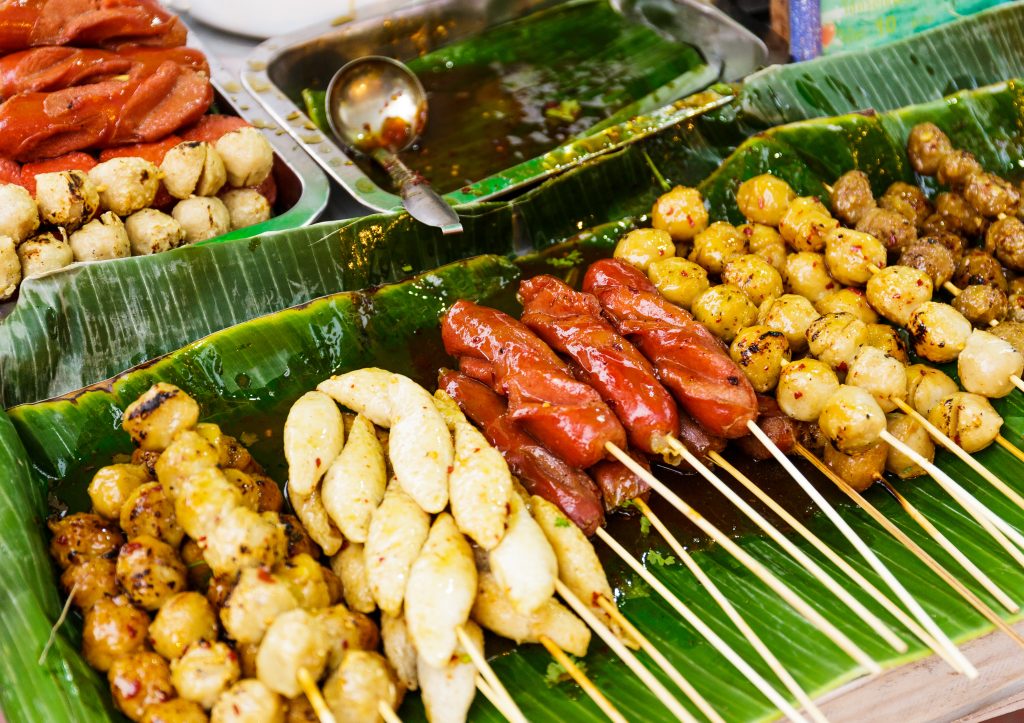
On a summer evening, what could be better than smoky grilled meats? That is exactly what BBQ halal food provides, complete with delectable seasoning and strict adherence to halal regulations.
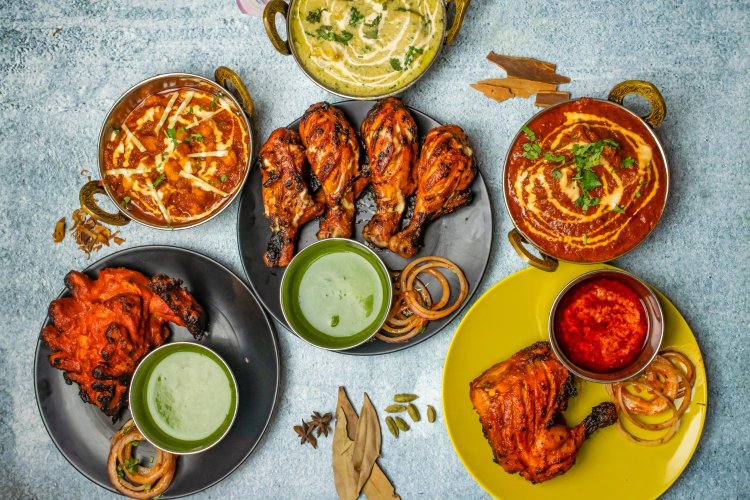
The following are common BBQ halal food items: grilled lamb chops, beef kebabs, chicken tikka skewers, halal smoked brisket, and barbecue wings with halal sauces.
Halal BBQ honors faith while delivering robust flavors, whether it’s at a street food festival or your backyard barbecue.
How to Read Food Labels for Halal
Due to the increasing demand worldwide, many food companies are now looking to reputable organizations for halal certification. Don’t just look for the halal stamp.
Advice:
- Pay close attention to ingredient lists.
- Verify the origin of any gelatin, emulsifiers, or enzymes.
- Inquire about restaurant cross-contamination policies.
Keep in mind that something is not necessarily certified just because it says “halal.”
Eating out? How to Consume Halal With Assurance
“Where can I find halal food near me?” is a question that Muslims in non-Muslim-majority nations frequently ask. Here are some useful pointers:
- Make use of apps for halal restaurants such as HalalTrip, Crave Halal, or Zabihah.
- When in doubt, choose vegetarian or seafood options.
- Inquire about ingredients and preparation techniques from restaurant employees.
- You can order custom items or bring your own condiments.
- When in doubt, limit yourself to simpler, whole-food recipes.
Having Visitors on a Halal Diet? Start by reading this.
Here are some considerate actions you can take to make someone who eats halal feel valued and included:
- Ask what foods are acceptable
- Use different cookware and utensils
- Purchase halal meat from a reliable source
- Serve drinks without alcohol
- Clearly label every dish.
Going above and beyond shows hospitality and cultural awareness, even if your guest doesn’t expect it.
Beyond Food: An Integrity-Based Lifestyle
As more people inquire about what is halal food it’s critical to realize that halal is a way of life rather than just a menu.
Additionally, it affects:
- Supplements and vitamins
- Personal care items (such as toothpaste and perfumes);
- Cleaning materials
- Financial services (such as banking or halal investing)
Making choices that are morally righteous, pure, and consistent with spiritual principles is the essence of leading a halal life.
Food and Health Trends for the Halal Diet
Halal cuisine is following a wave of clean-eating trends as health becomes a global priority:
- Ingredients that are minimally refined and low in processing
- No artificial preservatives or alcohol
- Meats free of hormones and antibiotics; natural marinades and seasonings
Nowadays, health-conscious people understand that halal diet food provides nutrition, safety, and quality.
Halal Food Industry Growth: A Billion-Dollar Market
Growth of the Halal Food Industry: A Billion-Dollar Industry
The demand for high-quality, ethical food from both Muslim and non-Muslim consumers is fueling the growth of the global halal food market.
Important trends include:
- Halal prepared meals and snacks
- Baby formula with halal certification
- International chains of halal restaurants
- Gourmet BBQ halal food brands
- Halal travel and tourism services
A Cross-Cultural History of Halal Cuisine
Halal dietary practices have cultural roots in many civilizations, even though the question what is halal food has its origins in Islamic scripture. Food sanctity and ceremonial slaughter were already highly regarded in pre-Islamic Arabia. Islam improved upon these customs by establishing codified laws that prioritized cleanliness, spiritual awareness, and animal welfare.
Halal customs were modified to fit regional cuisines as Islam expanded throughout Asia, Africa, and Europe while upholding its fundamentals. For instance, halal cooking in India has incorporated spices. Grain and stews became staples of halal cuisine in West Africa. These days, the global expansion of halal diet food is fueled by this blending of cultures.
How Halal Certification Operates: Who Decides What is Halal Food?
Not every product bearing the halal label satisfies strict requirements. Halal certification organizations can help with that. These groups check supply chains, ingredients, preparation, and storage. SANHA (South Africa), IFANCA (USA), JAKIM (Malaysia), and the Halal Food Authority (UK) are examples of widely accepted certifiers.
These organizations make sure that logistics procedures, food, supplements, and cosmetics all adhere to Islamic law. For peace of mind, look for trustworthy halal stamps the next time you purchase halal barbecue.
The Halal Barbecue Scene: International Tastes on the Grill
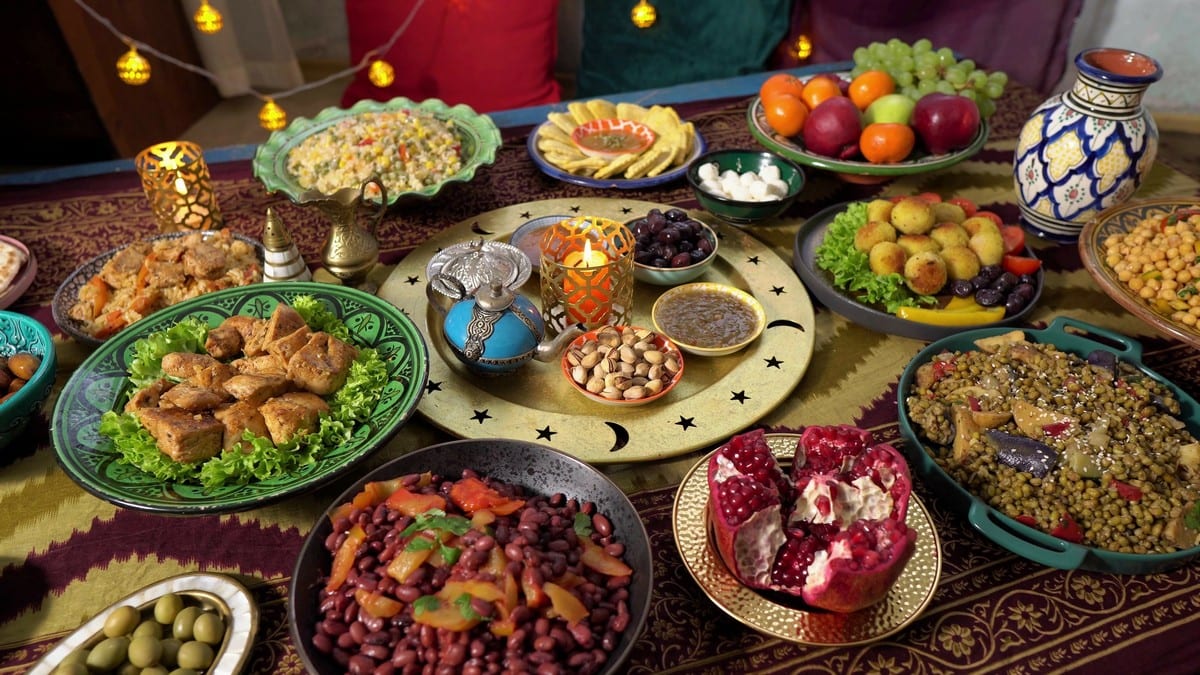
From food trucks in Toronto to family grills in Istanbul, the popularity of BBQ halal food has skyrocketed. Halal barbecue in the United States combines traditional smokehouse techniques with Middle Eastern, South Asian, and North African spice-forward marinades.
Popular dishes include Moroccan lamb ribs with harissa glaze, Turkish-style grilled chicken skewers, and halal brisket infused with garlic-ginger rub.
- Halal cheddar and jalapeño aioli on beef burgers
Halal barbecue is being innovated by restaurants and catering companies for both Muslim and non-Muslim patrons BBQ halal food is rapidly gaining popularity as a gourmet trend thanks to its strong flavors and ethical meat sourcing.
From food trucks in Toronto to family grills in Istanbul, the popularity of BBQ halal food has skyrocketed. Halal barbecue in the United States combines traditional smokehouse techniques with Middle Eastern, South Asian, and North African spice-forward marinades.
Popular dishes include: Turkish-style grilled chicken skewers; Moroccan lamb ribs with harissa glaze; halal brisket infused with garlic-ginger rub; and beef burgers with halal cheddar and jalapeño aioli.
Halal barbecue is being innovated by restaurants and catering companies for both Muslim and non-Muslim patrons. BBQ halal food is rapidly gaining popularity as a gourmet trend thanks to its strong flavors and ethical meat sourcing.
Halal for Health: The Impact of the Halal Diet on Physical Fitness and Overall Health
In today’s health-conscious society, a lot of athletes and wellness enthusiasts are turning to halal diet foods because of their clean protein and low chemical content. Due to its humane processing, lack of hormones, and lack of blood, halal meat is ideal for muscle growth and recovery.
There are an increasing number of supplements with halal certification, such as:
- Whey protein made from halal animals
- Gelatin-free vitamins
- Pre-workout blends free of stimulants or haram additives
Nowadays, meal prep businesses provide halal diet food plans based on fitness objectives. These meals are ideal for bodybuilders, runners, and anyone avoiding highly processed foods because they emphasize lean protein, fiber-rich grains, and naturally occurring micronutrients.
Sustainability and Ethics: Why Halal Food Aligns With Conscious Eating
As consumers demand transparency and sustainability, what is halal food becomes a powerful answer. The halal method emphasizes:
- Humane animal treatment
- Minimal environmental waste
- Clean sourcing and production
- Fair labor practices (in many halal-certified operations)
Halal is morally righteous in addition to being religious. Nowadays, a lot of people choose halal food because it respects natural cycles, minimizes chemical additives, and stays away from factory farming. Halal is becoming more and more important in the global sustainability movement, from local halal farmers’ markets to pasture-raised meats.
The Future of Halal Food is Global, Gourmet, and Growing
As awareness grows, the question of “what is halal food” now encompasses more than just religion; it also involves global food trends, ethics, sustainability, and health. Halal is now more widely available and varied than ever, whether you’re shopping at the grocery store or grilling lamb ribs at a get-together in your backyard.
The halal industry is still expanding and now offers everything from gourmet sauces to health-conscious halal diet meal plans. Chefs, food trucks, and barbecue restaurants are adopting new halal cuisines.
FAQs About Halal Food
Food and beverages that are allowed by Islamic law are referred to as halal. Pork, alcohol, animals that have been improperly killed, and anything that is harmful to one’s health or soul are all prohibited.
2. Is every vegetarian dish regarded as halal?
Although the majority of vegetarian dishes are halal, you should be on the lookout for any hidden haram ingredients, such as alcohol-based flavorings or non-halal gelatin.
3. Is it possible for non-Muslims to consume halal food?
Of course! Everyone can safely and healthily eat halal food. Because of its quality, flavor, and ethical standards, halal meat and snacks are preferred by many non-Muslims.
4. What distinguishes BBQ halal food?