
A Day in the Life of a Muslim Food Blogger
Beyond the Recipes: Faith, Flavor, and Content Creation
Ever wondered what it’s like to be a Muslim food blogger? It might look like just pretty pictures and mouthwatering dishes on your feed—but behind the scenes, it’s a full-time hustle that blends creativity, cooking, photography, storytelling, and faith.
Let’s take you through a day in the life of a typical halal food blogger—sharing what really happens behind the screen.
🌅 7:00 AM — Morning Routine & Faith First
Like many Muslims, the day starts with Fajr prayer and some quiet reflection. After a light breakfast (yes, coffee is a must!), it’s time to plan content and check messages from followers and brands.
🧕 “I always make sure my intentions are right—what I share should inspire others and align with halal values.”
📋 9:00 AM — Planning the Day’s Content
With a planner in hand or a Notion board open, the food blogger starts mapping out:
-
What to cook and post today
-
Instagram stories vs. reels vs. blog content
-
Recipe testing or retesting (some dishes take 2-3 trials!)
-
Reviewing any halal certifications or ingredient research
Content is often tailored around the Islamic calendar—Ramadan, Eid, or even just Sunnah-inspired eating like dates, honey, or milk.
🍳 11:00 AM — Cooking & Recipe Creation
Time to head into the kitchen! This is where the magic happens.
Whether it’s a 30-minute halal dessert or a full Eid biryani, every step is photographed or filmed. Many Muslim food bloggers also:
-
Highlight halal ingredients
-
Avoid haram products like gelatin or wine-based vinegars
-
Share tips on sourcing Tayyib (wholesome) food
🍽️ “I aim to show that halal food isn’t limiting—it’s creative, global, and delicious!”
📸 1:00 PM — Styling, Shooting, and Editing
Once the dish is done, it’s time for a mini food photoshoot:
-
Choosing props (wooden boards, Islamic calligraphy, seasonal décor)
-
Capturing in natural light
-
Shooting overhead videos or stop-motion clips for TikTok/Reels
Then comes editing, adding captions, and writing engaging descriptions that often include:
-
Duaas or verses related to food
-
Fun cultural trivia (e.g., the origin of samosas or kunafa)
🕌 3:00 PM — Dhuhur & Digital Detox
After Dhuhur prayer, many food bloggers take time to pause, relax, and disconnect from social media briefly. Some use this time to:
-
Read Qur’an or Islamic reminders
-
Respond to DMs and comments from their community
-
Draft blog posts or prepare newsletters
🤲 “Being a Muslim content creator means staying grounded and remembering your purpose.”
🖥️ 5:00 PM — Collaborations & Business
Behind the scenes, many Muslim food bloggers are also:
-
Pitching to halal brands and Muslim-owned businesses
-
Reviewing contracts and halal brand partnerships
-
Managing affiliate links or YouTube monetization
Some also run online cooking classes or sell eBooks, so there’s plenty of admin work to juggle.
🍽️ 7:00 PM — Family Time & Dinner
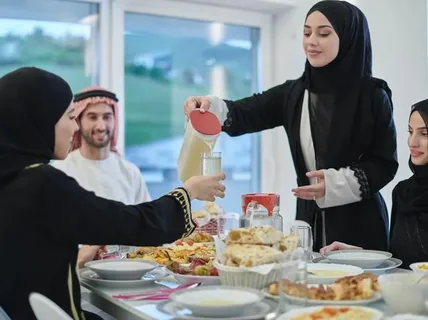
Dinner is often shared with loved ones—and it might just be the recipe they cooked earlier! Many food bloggers see food as a bridge to family, culture, and deen.
🌙 9:00 PM — Posting, Engaging, and Wind Down
Now’s the time to:
-
Post the final content (caption, hashtags, tags)
-
Engage with comments and story replies
-
Plan next day’s agenda
After Isha prayer, it’s time to wind down with some tea, journaling, or brainstorming the next delicious idea.
💬 Final Thoughts: It’s More Than Just Food
Being a Muslim food blogger is about more than tasty dishes—it’s about community, dawah, and showing that halal eating is full of flavor, creativity, and spiritual meaning.
Whether they’re sharing a nostalgic Ramadan recipe or reviewing a new halal brand, Muslim food bloggers are changing the digital table—one post at a time.