
A Muslim’s Guide to Eating Halal in Japan

Traveling to Japan as a Muslim can feel a little daunting when it comes to food choices. Japan is famous for its incredible cuisine — sushi, ramen, tempura — but ensuring that your meals are halal requires a bit of planning. Thankfully, Japan is becoming increasingly Muslim-friendly, with more halal options popping up across the country. Here’s your complete guide to enjoying delicious, halal-friendly meals while exploring Japan.
1. Understand the Basics
In Japan, the concept of “halal” is still relatively new. Some Japanese people may not be fully aware of what it entails. It’s important to know that just because something is seafood-based (like sushi) or vegetarian doesn’t automatically mean it’s halal. Alcohol (like mirin, a common sweet rice wine used in cooking) and certain broths may still be involved.
Learning a few basic phrases or carrying a halal explanation card in Japanese can be extremely helpful.
Example phrases:
-
これはハラールですか? (Kore wa harāru desu ka?) — “Is this halal?”
-
豚肉は入っていますか? (Butaniku wa haitteimasu ka?) — “Does this contain pork?”
2. Look for Certified Halal Restaurants
Several restaurants in major cities like Tokyo, Kyoto, and Osaka are halal-certified. Look for places that proudly display halal certification by trusted organizations like the Japan Halal Foundation or Nippon Asia Halal Association.
Helpful apps and websites like:
-
Halal Navi
-
HappyCow
-
Muslim Pro Japan
can help you locate halal eateries near you.
3. Halal Japanese Cuisine You Can Enjoy
-
Halal Ramen: Some restaurants, like Naritaya in Asakusa (Tokyo), specialize in halal ramen.
-
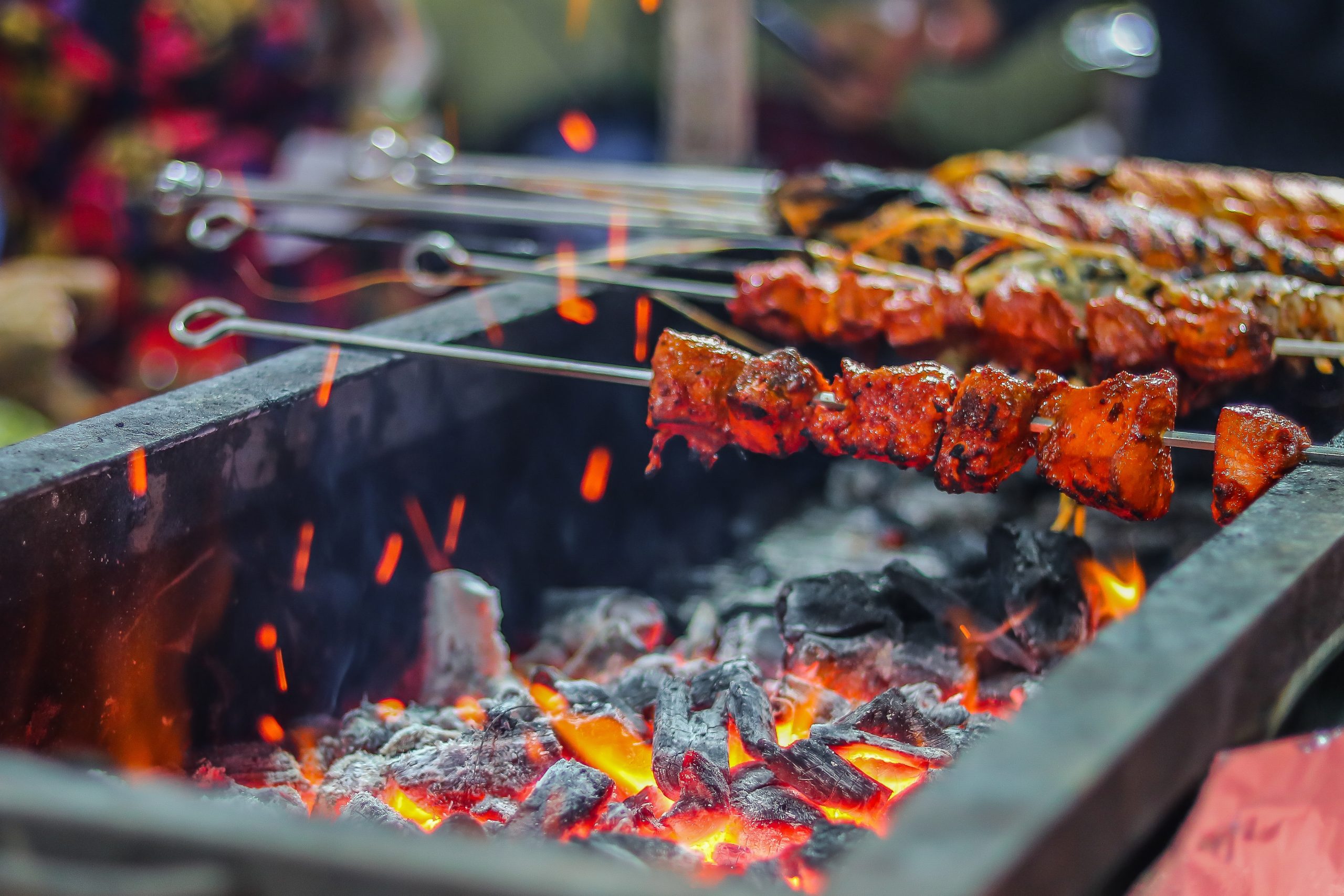
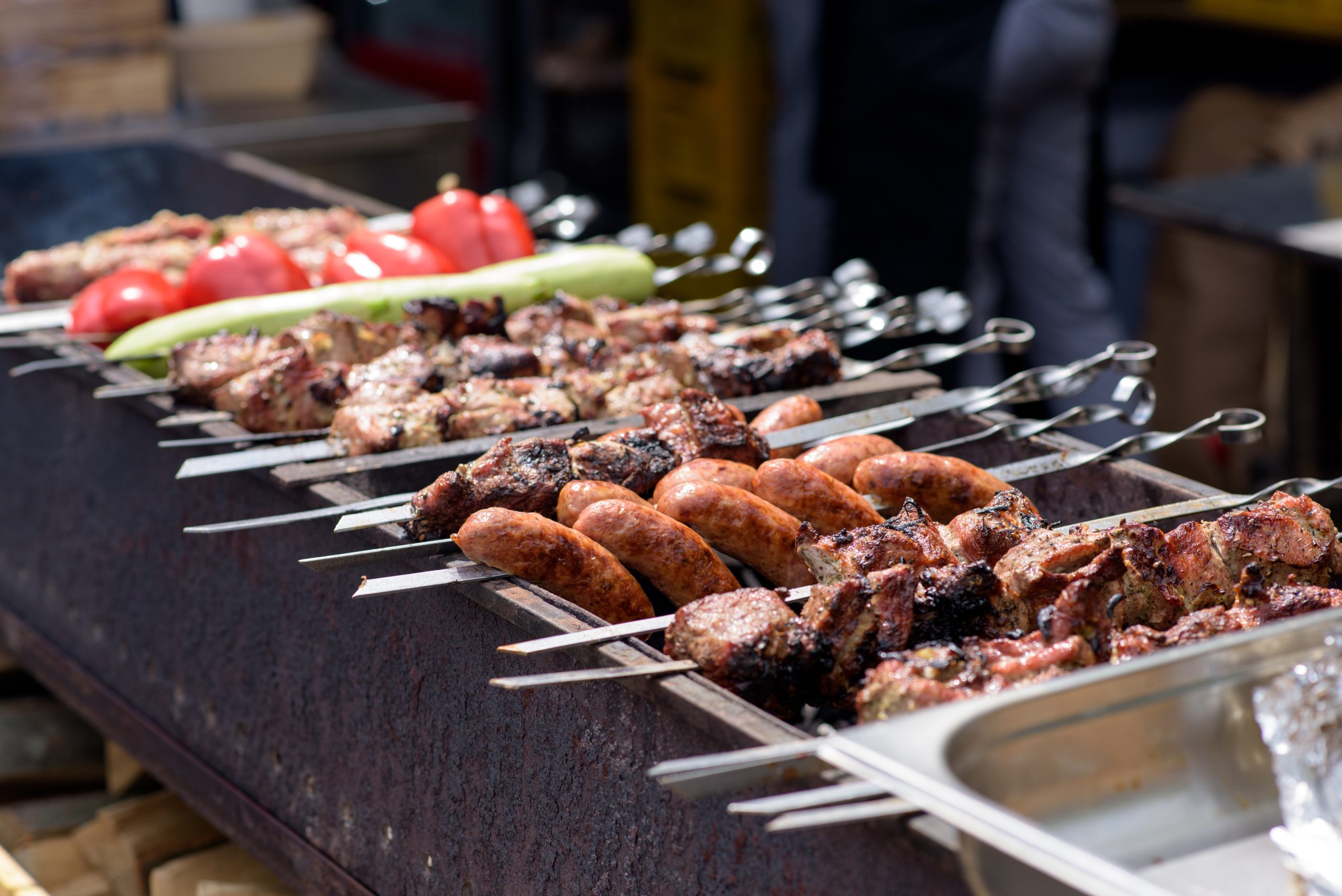
Halal Yakiniku (BBQ): Shops like Gyu-Kaku offer halal menus in selected branches.
-
Halal Sushi: There are sushi restaurants offering halal-certified seafood and sushi rice (free of alcohol-based seasonings).
-
Bento Boxes: Airports like Narita and Kansai International offer halal bento meals — perfect for travelers on the go.
4. Visit Muslim-Friendly Areas
Some areas are known for being more accommodating to Muslim travelers:
-
Asakusa (Tokyo): Home to several halal restaurants and prayer spaces.
-
Osaka’s Namba Area: Offers halal food options and even a mosque nearby.
-
Kyoto: Traditional Japanese ryokans (inns) are beginning to offer halal meal plans.
5. Tips for Grocery Shopping
-
Halal Meat: Available at specialty halal shops or online within Japan.
-
Convenience Stores: Stick to vegetarian or seafood items, but check labels carefully. Some onigiri (rice balls) and snacks are safe, but many contain hidden alcohol or pork-based ingredients.
-
Supermarkets: AEON and some larger supermarkets have started stocking halal-certified products.
Look out for food labels mentioning:
-
豚肉 (Butaniku) — Pork
-
アルコール (Arukōru) — Alcohol
6. Always Ask or Double-Check
If you’re unsure whether a dish is halal, it’s completely fine — and encouraged — to ask. Most Japanese service workers are extremely polite and will do their best to help you. If they’re unsure, it’s safer to opt for vegetarian, seafood-based, or certified halal options.
7. Prayer Spaces
Japan has also made efforts to provide prayer spaces in airports, major train stations, and some tourist attractions. Apps like “Halal Navi” list prayer space locations.
Conclusion
Eating halal in Japan is definitely possible and can be a rewarding part of your travel experience! With a bit of preparation and open communication, you’ll be able to enjoy delicious Japanese food without compromising your beliefs.
Happy travels, and itadakimasu (let’s eat)!