
Farm-to-Table: Muslim-Friendly Experiences in the USA
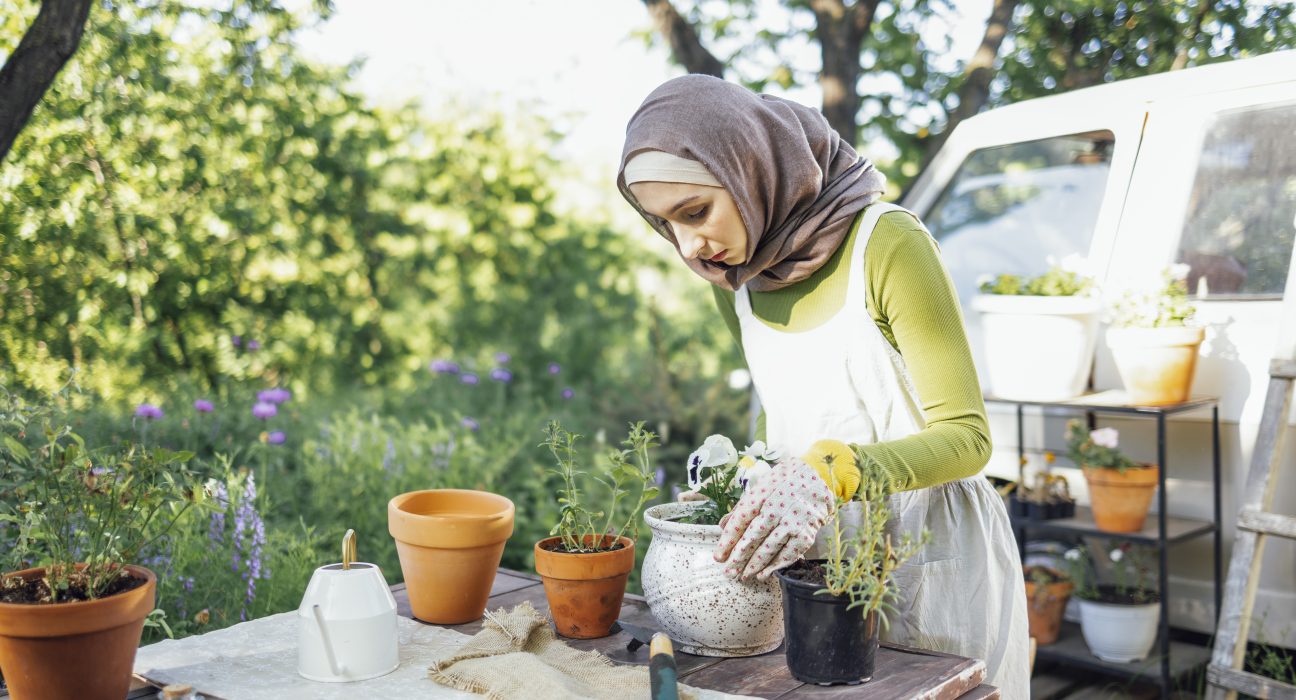
In a world where food is often mass-produced and overly processed, the farm-to-table movement brings things back to basics—local, seasonal, and sustainable eating. But for Muslim consumers, finding halal-friendly farm-to-table experiences in the USA can be a little more complex. Thankfully, a growing number of farms, restaurants, and events now cater to Muslim values, making it easier to connect with your food—from the soil to your soul.
Here’s a guide to some of the best Muslim-friendly farm-to-table experiences across the U.S.
🌿 What Makes Farm-to-Table “Muslim-Friendly”?
To be considered Muslim-friendly, a farm-to-table experience usually includes:
-
✅ Halal-certified meat and ethically raised animals
-
🌱 Organic or pesticide-free produce
-
🕌 Respect for Islamic principles of cleanliness, sustainability, and humane treatment
-
🤝 Welcoming spaces for Muslim families and modest dining environments
🐓 1. Green Zabiha Farm – Texas
What to expect: This Muslim-owned farm offers ethically raised halal poultry and beef. You can visit the farm, see the animals, and even participate in the zabihah (slaughter) process during Qurbani season.
Why it’s special: They focus on transparency, animal welfare, and educating the Muslim community about where their food comes from.
🥬 2. Halal Pastures – Upstate New York
What to expect: An organic farm offering pasture-raised, halal-certified meats and fresh produce. They often host open farm days and family events.
Why it’s special: It’s a beautiful countryside escape where you can meet the farmers and even learn about sustainable Islamic farming practices.
🧀 3. Tayyibah Farm – Virginia
What to expect: A homestead farm run by a Muslim family that offers fresh eggs, goats’ milk, and seasonal vegetables—all produced with tayyib (pure and wholesome) principles.
Why it’s special: Their Islamic values drive their entire farming philosophy. They also host educational workshops for Muslim youth.
🍽️ 4. Zaytuna Farm Dinners – California
What to expect: While Zaytuna College is known for Islamic scholarship, their community hosts farm-to-table dinners featuring halal, locally sourced ingredients cooked by Muslim chefs.
Why it’s special: It’s a unique blend of food, spirituality, and social justice—perfect for those who want to eat intentionally.
🧺 5. Muslim Farmers Markets – Nationwide
Many urban areas now feature halal vendors at local farmers markets, especially during Ramadan and Eid seasons. Look for booths offering:
-
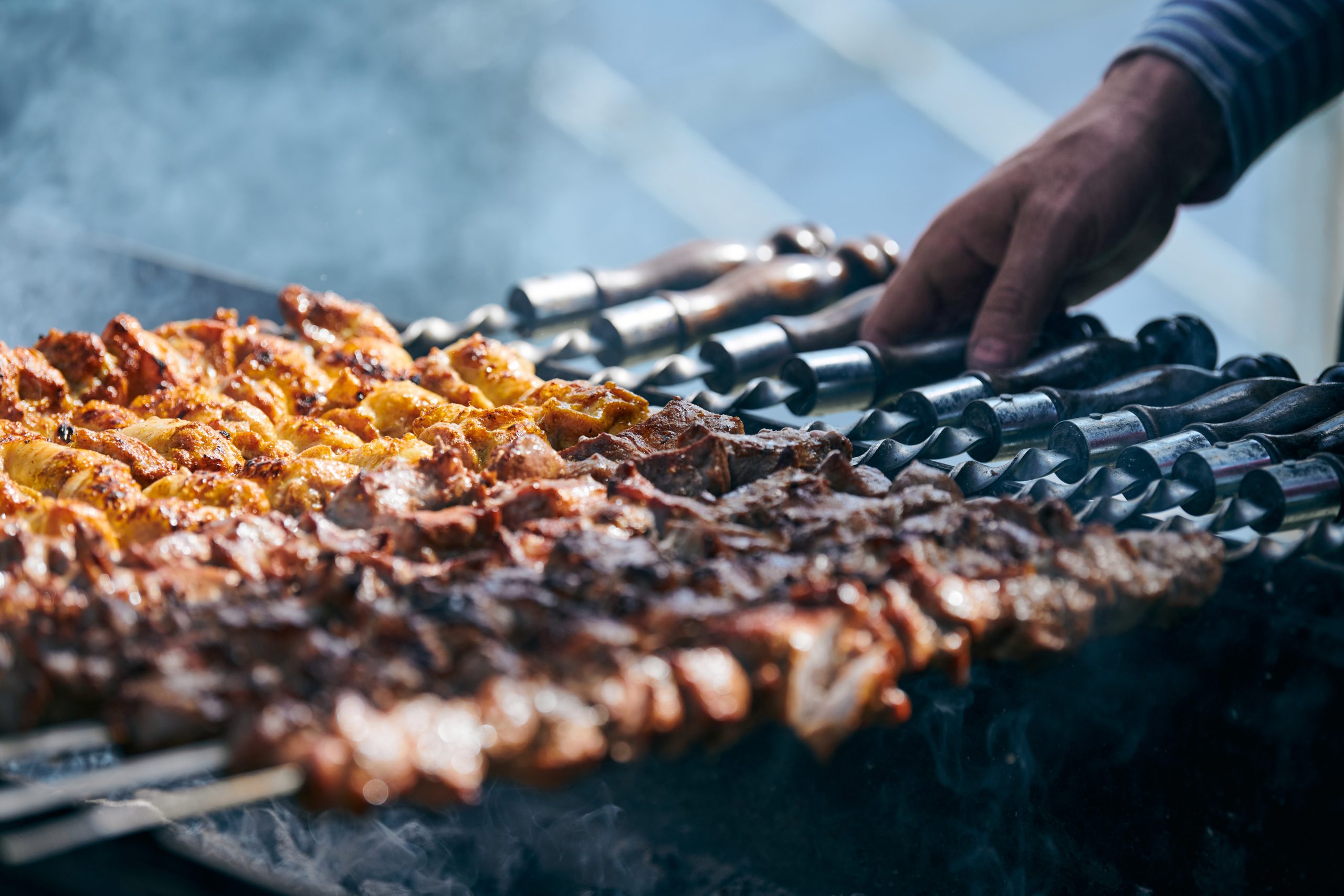
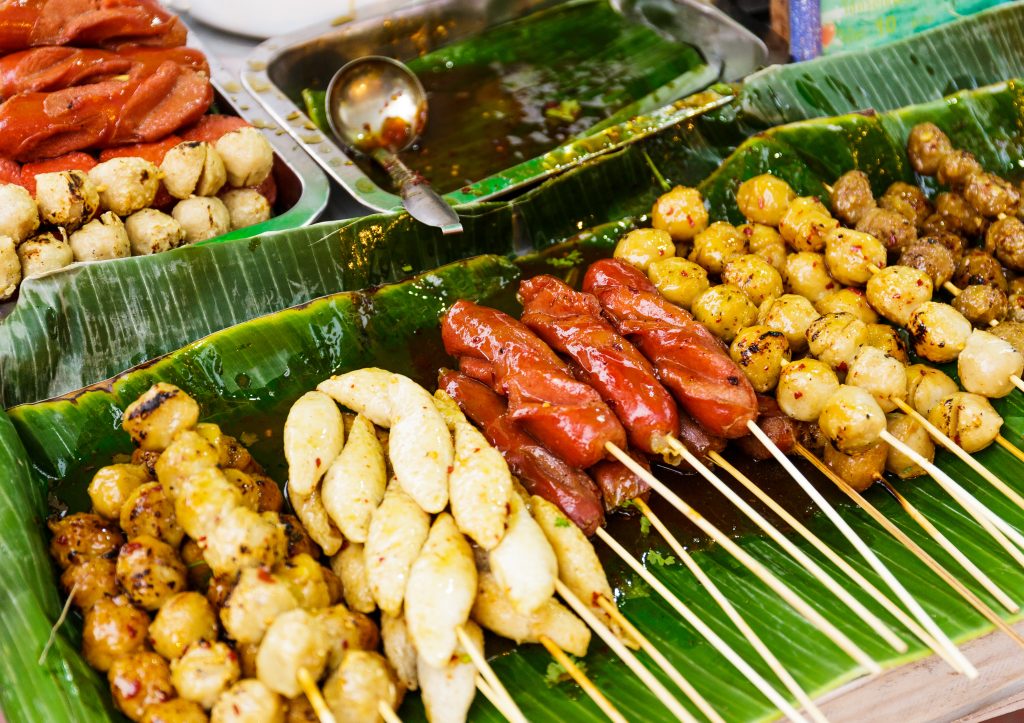
Halal sausages and kebabs
-
Organic dates and dried fruits
-
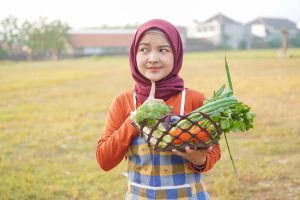
Fresh produce from Muslim growers
-
Homemade jams, sauces, and bread
Tip: Cities like Chicago, Atlanta, and Los Angeles often feature seasonal halal pop-up markets with farm-fresh offerings.
👨🌾 Why It Matters: The Islamic Case for Ethical Eating
Islam emphasizes the concept of tayyib—wholesome, clean, and pure food. Supporting Muslim-friendly farm-to-table experiences:
-
🌎 Reduces your environmental impact
-
🐑 Ensures animals are treated with compassion
-
🧕 Supports Muslim farmers and entrepreneurs
-
🍽️ Brings you closer to sunnah-style eating—simple, local, and mindful
🙌 How You Can Get Involved
-
📍 Visit a Muslim-owned farm during harvest season or Qurbani
-
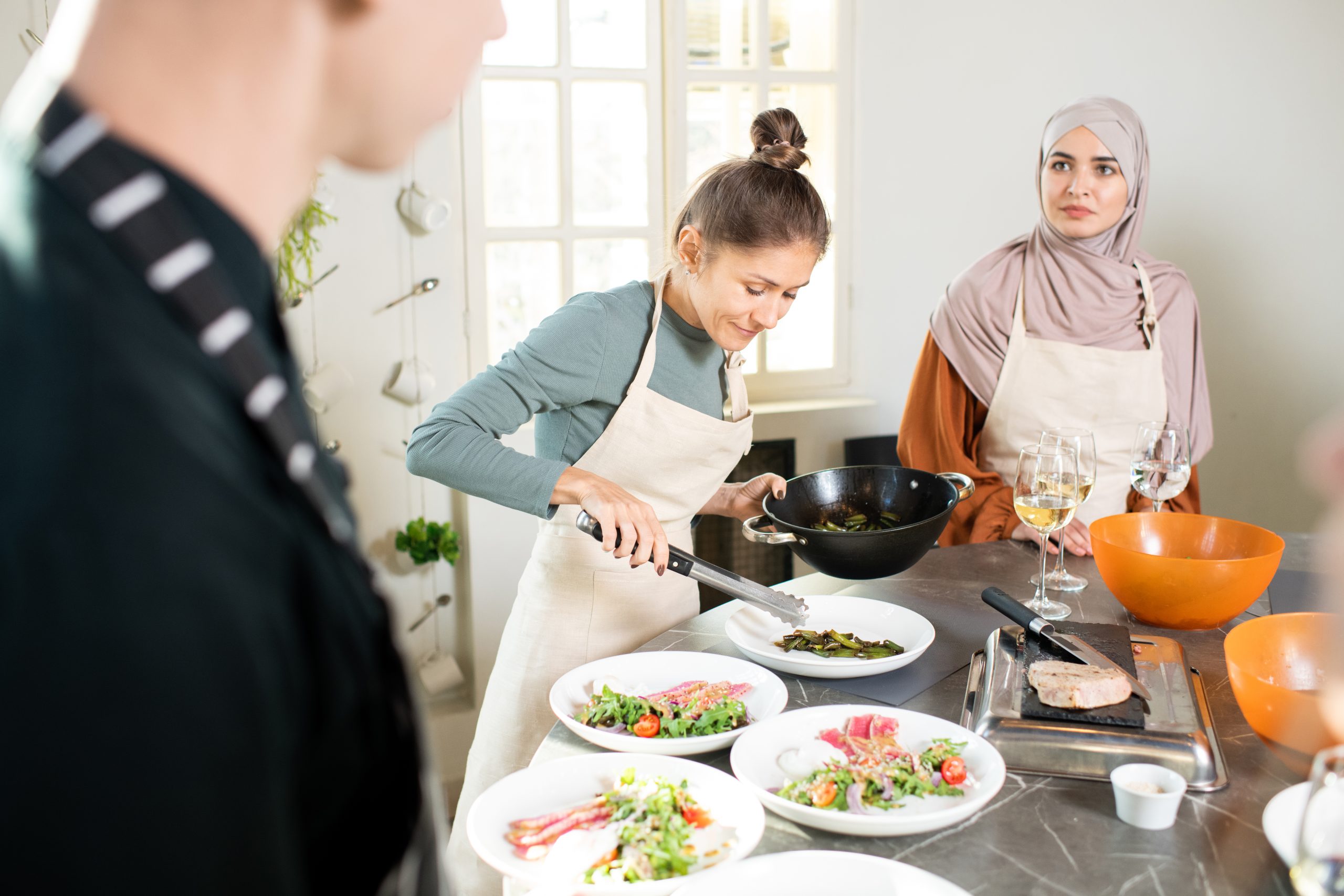
🍴 Host your own halal farm-to-table dinner using local ingredients
-
📸 Support these farms on social media to boost visibility
-
👨👩👧👦 Plan a family field trip to teach kids where food comes from
🧭 Final Thoughts
Farm-to-table isn’t just a trend—it’s a lifestyle rooted in ethical, spiritual, and sustainable living. For Muslim foodies, these experiences offer a beautiful way to align dietary needs with Islamic values.
Whether you’re picking your own vegetables, buying halal grass-fed meat, or sitting down to a freshly prepared halal farm meal, you’re engaging with food in the most meaningful way possible.