
Halal Cultural Food Experiences You Must Try
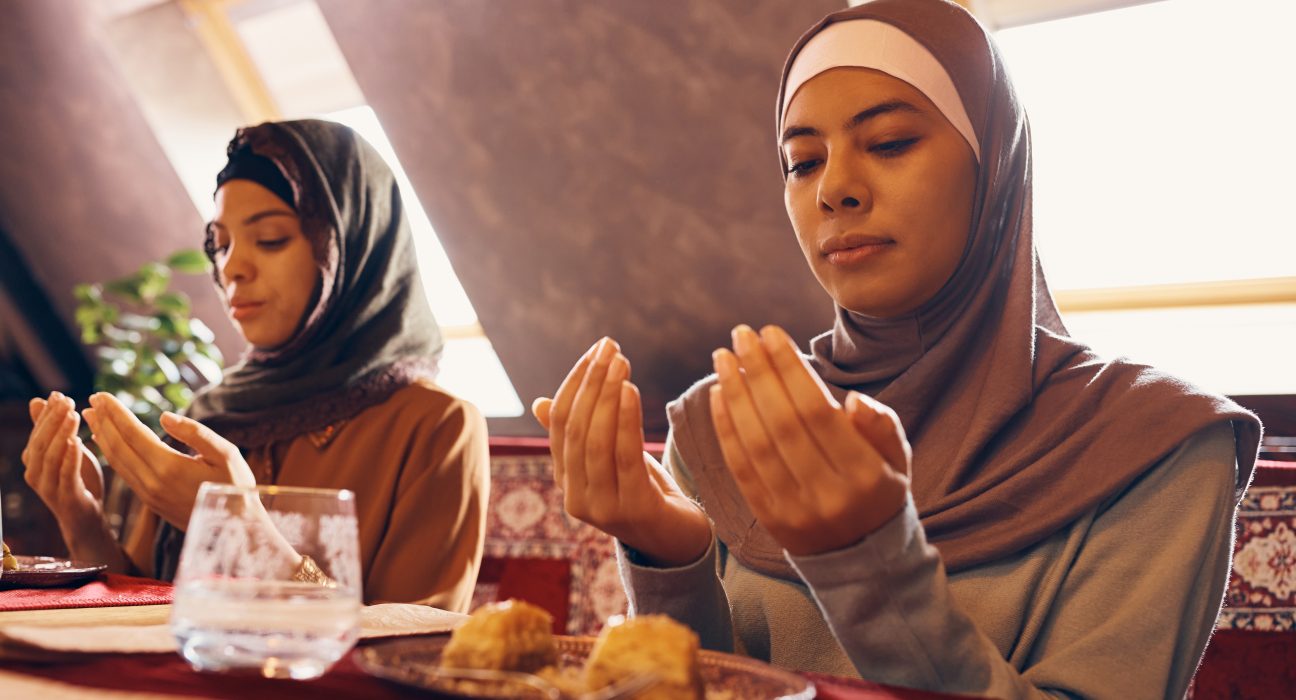
Halal cuisine isn’t just about dietary restrictions—it’s a gateway to global culture, tradition, and community. Across the world, Muslim-majority countries (and Muslim communities in non-Muslim countries) offer unique halal food experiences that go beyond the plate. These are moments that bring together flavor, faith, and heritage.
Whether you’re traveling abroad or exploring your own city, here are halal cultural food experiences you absolutely must try.
🇲🇦 1. Moroccan Halal Feasts in a Riad
Experience: Traditional Moroccan dinners served in a family-style courtyard
Why you’ll love it: Enjoy aromatic tagines, couscous, and mint tea in an elegant riad setting while sitting on floor cushions. Meals often start with dates and harira soup—evoking Ramadan traditions even outside the holy month.
Cultural element: Moroccan hospitality (called diyafa) is central, and meals can last for hours with warm conversation and music.
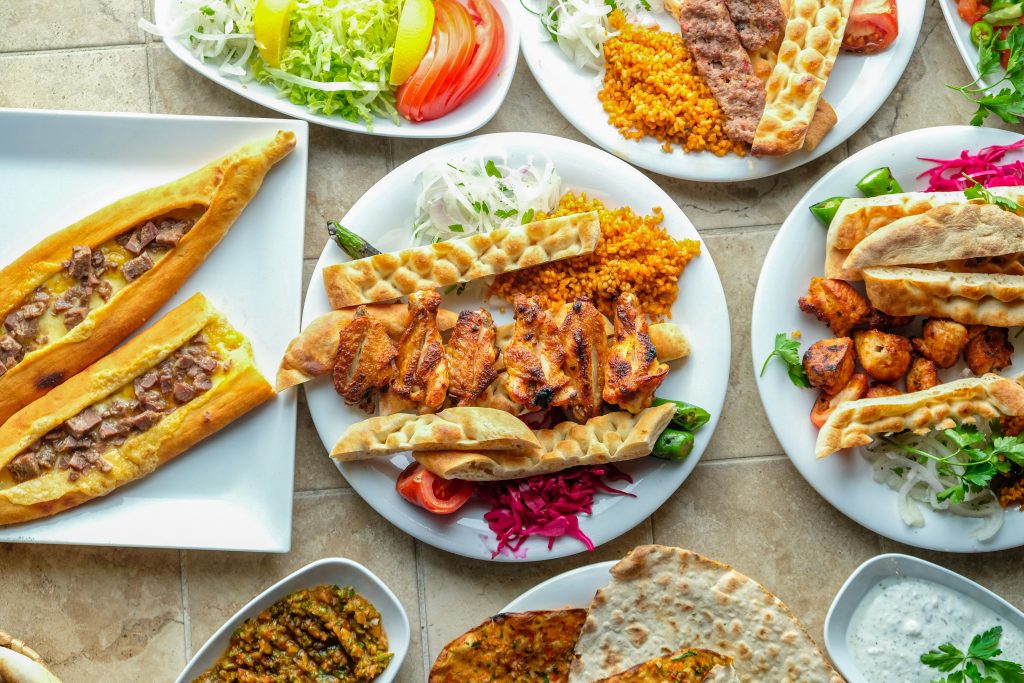
🇹🇷 2. Turkish Breakfast (Kahvaltı) Spread
Experience: A halal breakfast tradition with dozens of small plates
Why you’ll love it: Think honey, olives, cheeses, breads, eggs, and fresh vegetables—all beautifully laid out and shared communally.
Cultural element: It’s not just a meal—it’s a social ritual. Turkish families gather on weekends over kahvaltı, turning breakfast into a celebration.
🇸🇦 3. Bedouin-Style Meals in the Desert
Experience: Traditional Saudi or Emirati meals under the stars
Why you’ll love it: Eat halal lamb kabsa or mandi with your hands while sitting on rugs in a tent, surrounded by lanterns and desert silence.
Cultural element: Bedouin hospitality is legendary—guests are considered a gift from God, and meals are cooked in large communal servings.
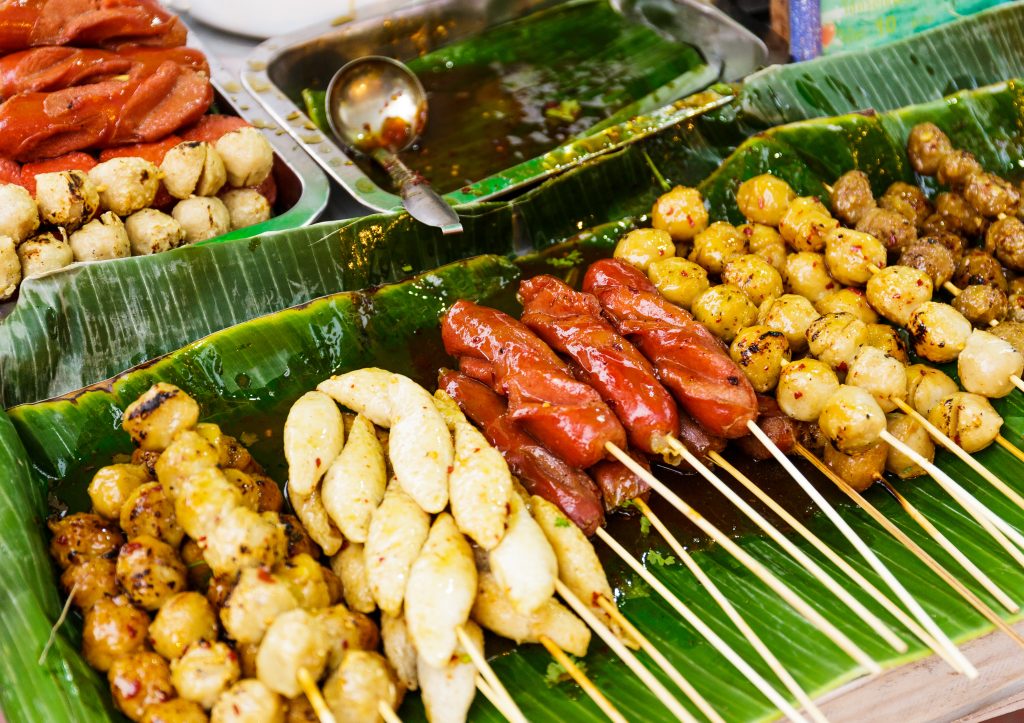
🇮🇩 4. Halal Street Food Tour in Indonesia
Experience: Sampling halal-friendly snacks in bustling street markets
Why you’ll love it: From satay and bakso to martabak and banana fritters, every bite is bursting with bold flavor and authenticity.
Cultural element: Food is an everyday celebration in Indonesia, and most street vendors cater to Muslim dietary needs.
🇵🇰 5. Pakistani Village-Style Outdoor Cooking
Experience: Watching (and joining) villagers cook massive pots of biryani, saag, and naan in open fields
Why you’ll love it: You’ll see everything cooked from scratch—on wood fire, in copper pots—with organic ingredients.
Cultural element: Rural hospitality and food-sharing reflect the Islamic values of simplicity, generosity, and community.
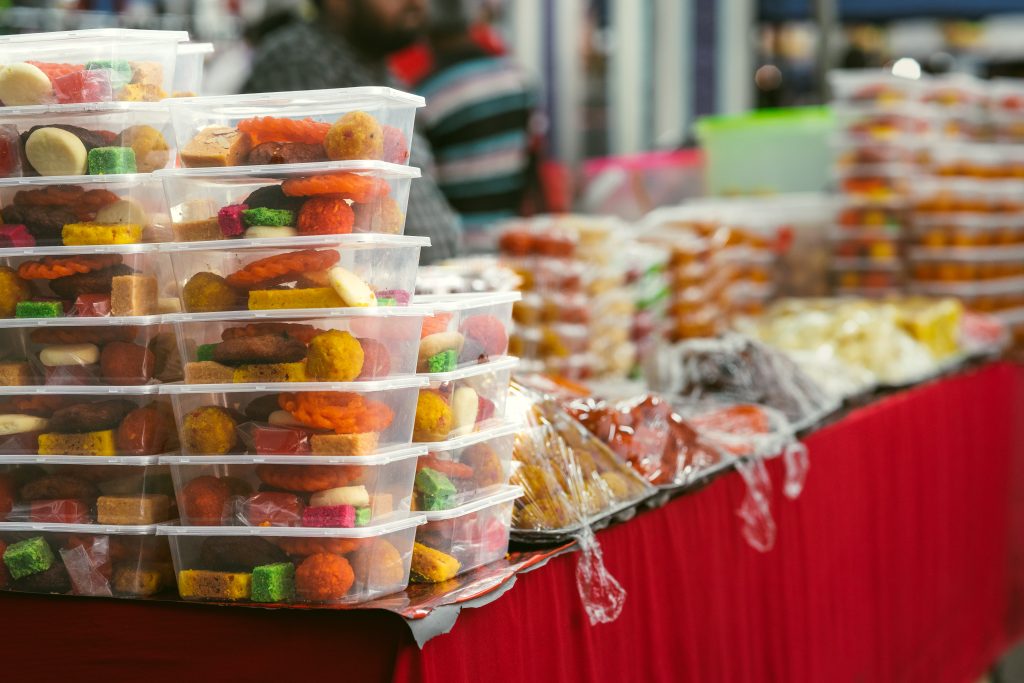
🇲🇾 6. Halal Cooking Classes in Malaysia
Experience: Learn how to make halal rendang, nasi lemak, and kuih desserts
Why you’ll love it: You don’t just eat—you cook, taste, and take home skills. These classes are popular among tourists and locals alike.
Cultural element: Malaysian food blends Malay, Chinese, and Indian traditions—all adapted to halal guidelines.
🇳🇬 7. Nigerian Halal Home Dining
Experience: Join a Muslim family in Nigeria for a traditional meal
Why you’ll love it: Try jollof rice, suya (halal beef skewers), and moimoi (bean cakes) while learning about local customs and family life.
Cultural element: Many Muslim homes in West Africa host guests with extreme generosity—expect to be served first and leave full.
🌙 8. Ramadan Iftar Tents (Middle East & South Asia)
Experience: Break your fast with hundreds of others at public iftar tents
Why you’ll love it: These events often serve biryani, dates, lentil soup, and juices—for free or as a community gathering.
Cultural element: Iftar tents symbolize unity, charity, and spiritual connection, welcoming everyone regardless of background.
🇫🇷 9. Halal French Fine Dining
Experience: Gourmet halal meals in French Muslim-owned restaurants
Why you’ll love it: Think halal foie gras, duck confit, or crème brûlée—prepared to halal standards with luxurious presentation.
Cultural element: These modern culinary spaces reflect how Muslims are shaping contemporary European cuisine without compromising their values.
🇯🇵 10. Halal Kaiseki in Japan
Experience: A multi-course traditional Japanese meal made halal
Why you’ll love it: Experience an elegant dining ritual with seasonal ingredients, halal wagyu, and Islamic dietary care.
Cultural element: Kaiseki is about mindfulness and presentation—perfectly aligned with Islamic values of respect and gratitude for food.
✅ Tips for Enjoying Halal Cultural Food Experiences
-
Always ask about halal certification or sourcing, especially in non-Muslim countries
-
Be open to eating with your hands, sitting on the floor, or sharing dishes
-
Respect local customs and dress modestly when dining in traditional settings
-
Bring an empty stomach—hospitality often means lots of food!
🙌 Final Thoughts
Halal cultural food experiences go far beyond the meal—they’re about connecting to heritage, faith, and humanity through food. Whether you’re dining in a Bedouin tent or cooking biryani in a Malaysian village, each bite tells a story.