
The Halal Food Authority: What Is It and Why Does It Matter in 2025?
Why the Halal Food Market Is Booming
The market for halal food is no longer niche. With Muslims making up nearly 25% of the global population, demand for certified halal products continues to rise. In the U.S. alone, halal food sales reach billions annually.
But who verifies what’s truly halal?
Enter the Halal Food Authority (HFA)
Established in the UK, the Halal Food Authority (HFA) plays a global role in certifying halal products—including imports into the U.S. At Zabiha Food, we work only with internationally accredited authorities like HFA, IFANCA, HFSAA, and others to ensure your meals align with faith and trust.
A Brief History of the Halal Food Authority
The HFA was founded in 1994 in response to mislabeled meat in the UK Muslim community. The aim: to create high standards through strict practices like:
-
Butcher audits
-
Meat tagging
-
Product authentication
From UK to Global Recognition
Though based in the UK, the Halal Food Authority is recognized by:
-
JAKIM (Malaysia)
-
HAK (Turkey)
-
MUIS (Singapore)
-
MOIAT (UAE)
-
MOPH (Qatar)
-
SFDA (Saudi Arabia)
This global reach makes HFA certifications reliable for U.S. importers and distributors like Zabiha Food.
U.S. Halal Certification Bodies
While HFA is global, the U.S. has top-tier certifying organizations:
-
IFANCA
-
HFSAA
-
ISA
At Zabiha Food, we blend international and local certifications for variety and quality.
The Rise of Halal Korean Food in the U.S.
A New Staple in American Muslim Homes
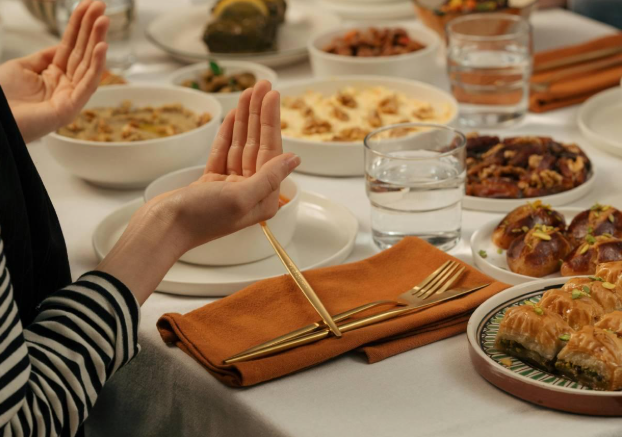
Korean cuisine has found a halal home in America. Thanks to social media and rising demand, halal Korean food is now more accessible than ever through platforms like Zabiha Food.
Popular Halal Korean Dishes Include:
-
Halal Korean fried chicken
-
Soy-marinated halal bulgogi
-
Alcohol-free teokbokki
-
Shrimp paste-free halal kimchi
We provide these options with 100% halal-certified ingredients.
Why Certification Matters in Korean Food
Authentic Korean recipes often include ingredients like:
-
Alcohol-based marinades
-
Non-halal meat
-
Fermented seafood pastes
HFA and other authorities ensure ingredient reformulation without compromising flavor. Zabiha Food works closely with suppliers to maintain these standards.
Make Your Own Halal Korean Red Sauce
Easy Halal Red Sauce Recipe
Ingredients:
-
3 tbsp halal gochujang
-
1 tbsp ketchup
-
1 tbsp halal soy sauce
-
1 tsp sesame oil
-
1 tsp halal rice vinegar
-
1 tbsp brown sugar
-
1 garlic clove (minced)
Instructions:
-
Whisk all ingredients in a bowl until smooth.
-
Adjust sweetness or spice to taste.
-
Store in the fridge for up to a week.
Perfect for wings, rice bowls, or barbecue! Or try Zabiha Food’s certified ready-made sauces.
How HFA Stands Out from Other Certifiers
| Feature | Halal Food Authority | Other Certifiers |
|---|---|---|
| Global recognition | YES | Varies |
| Chain-of-custody audits | YES | Partial |
| Shariah Advisory Board | YES | Varies |
| Certifies meat & non-meat | YES | YES |
| Documentation transparency | YES | Varies |
Zabiha Food prefers partners like HFA due to their strict verification protocols.
Modern Tech in Halal Certification
HFA’s Technological Approach Includes:
-
Real-time slaughterhouse monitoring
-
Digital audit trails
-
Ingredient tracking systems
-
Blockchain integration (pilot stage)
This boosts confidence among halal consumers in the U.S. and abroad.
HFA Certification for Non-Meat Products
Halal extends beyond meat. HFA also certifies:
-
Cereal and breakfast foods
-
Sauces and oils (e.g., soy sauce, sriracha)
-
Snacks (free of questionable flavorings)
-
Pharmaceuticals and cosmetics
Zabiha Food relies on HFA’s full-spectrum coverage.
Zabiha Food: A Commitment to Halal Integrity
What makes Zabiha Food different?
Our 4-Part Halal Assurance Process
-
Supplier vetting – HFA, IFANCA, HFSAA-certified only
-
Full ingredient review – not just meat
-
Regular audits
-
Halal education and transparency
We aim to deliver trust along with flavor.
How U.S. Restaurants Benefit from HFA Standards
Restaurants serving multicultural dishes benefit from consistent halal practices. Following HFA standards helps:
-
Attract loyal Muslim customers
-
Avoid PR disasters
-
Offer transparent menus
-
Get featured in Zabiha Food’s vendor listings
Zabiha Food supplies certified sauces and meats to help restaurants maintain halal integrity.
Why Consumer Trust in Halal Labels Matters
What HFA Provides:
-
Verified slaughter process
-
Additive and flavor review
-
Regular audits
-
Global consistency
That’s the standard we follow for all Zabiha Food products.
How to Spot Fake Halal Claims
Beware of:
-
Vague terms like “halal-style”
-
Lack of certifier logo (e.g., HFA, IFANCA)
-
Unverified additives (e.g., carmine coloring)
Always buy from trusted halal platforms like Zabiha Food.
Gen Z, Millennials, and the Halal Movement
Younger generations see halal as identity-driven. They demand:
-
Creative, authentic halal options (Korean ramen, BBQ snacks)
-
Verified sourcing and certification
-
Easy-to-shop platforms like Zabiha Food
We meet them where they are—online and on social media—with trusted products and content.
Beyond Halal: Embracing Tayyib
Tayyib means pure and wholesome—going beyond just “permissible.” It emphasizes:
-
Animal welfare
-
Sustainable sourcing
-
Ethical labor
-
Ingredient purity
Zabiha Food is developing tayyib-focused lines to reflect this deeper commitment.
The Future of Halal in the United States
Trends to Watch:
-
Halal-certified school lunches
-
Expansion of halal Korean food brands
-
Online halal marketplaces like Zabiha Food
-
Tayyib certification
-
Broader use of HFA certification for imports
HFA’s Role in Halal Travel and Convenience Foods
Muslim consumers are demanding:
-
HFA-certified airline meals
-
Instant halal food kits
-
Halal meal subscriptions
Zabiha Food is actively developing offerings in these categories.
Why HFA Is Vital for U.S. Imports
As one of the largest halal food importers, the U.S. depends on trusted certifiers like HFA. Their certification guarantees:
-
Full supply chain oversight
-
Ingredient integrity
-
Global compliance
-
Secure documentation
Zabiha Food prioritizes HFA-certified imports to maintain consumer trust.
FAQs
1. What is the Halal Food Authority (HFA)?
A UK-based certifier that ensures food meets Islamic dietary guidelines, often used for imported halal goods.
2. Is halal Korean food available in the U.S.?
Yes! Zabiha Food offers halal-certified Korean sauces, snacks, and meals.
3. How can I tell if my red sauce is halal?
Check for alcohol-based ingredients or seafood pastes. Or use our halal red sauce recipe!
4. Can I trust Zabiha Food’s certifications?
Absolutely. We only source from HFA, IFANCA, HFSAA, and ISA-certified producers.
Conclusion: Halal with Confidence, Flavor with Integrity
As halal food grows in popularity, so does the responsibility to uphold its meaning. At Zabiha Food, we combine flavor and faith by working with globally trusted authorities like the Halal Food Authority.
Eat consciously. Live halal. Trust Zabiha Food.