
A Comprehensive Guide to Chinese Cuisine, Culture, and Halal Options for Mexicanos
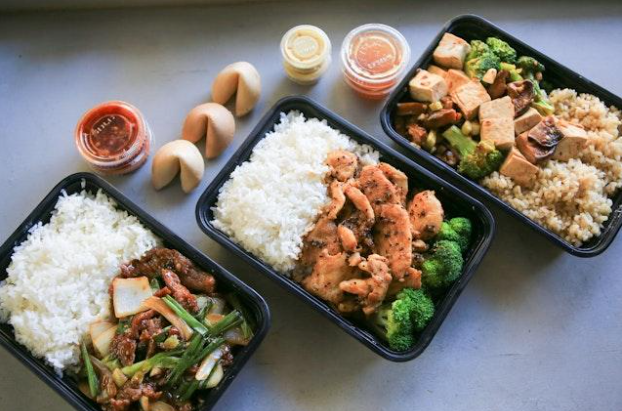
The demand for halal food is rising quickly in non-Muslim-majority nations as a result of an increase in Muslim migration and travel worldwide. A single, surprising hotspot? Halal in China.
In some areas, China, which is home to more than 20 million Muslims, including ethnic Hui and Uyghur communities, has long incorporated halal customs into daily life. However, it can be difficult to find halal options in such a large, varied, and frequently unclear culinary landscape. For this reason, Zabiha Food’s thorough guide delves deeply into everything from halal certifications to the expanding market for mexicanos halal cuisine in China.
1. Comprehending Halal in China
The term “清真” (Qing Zhen), which means “pure and true,” is the origin of the halal in China and has been used historically to designate Muslim-friendly cuisine, lodging, and services. The Qing Zhen sign is seen in many Chinese restaurants, particularly in areas with sizable Hui Muslim communities.
In some provinces, halal food is accepted and even protected by local regulation and certification, despite China’s complicated political and religious landscape.
2. Chinese Cities with a High Halal Presence
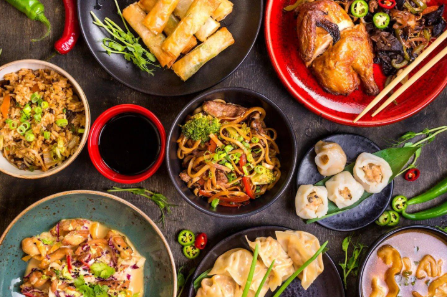
The following locations are reasonably halal needs, even though not all cities meet halal requirements equally:
Xi’an
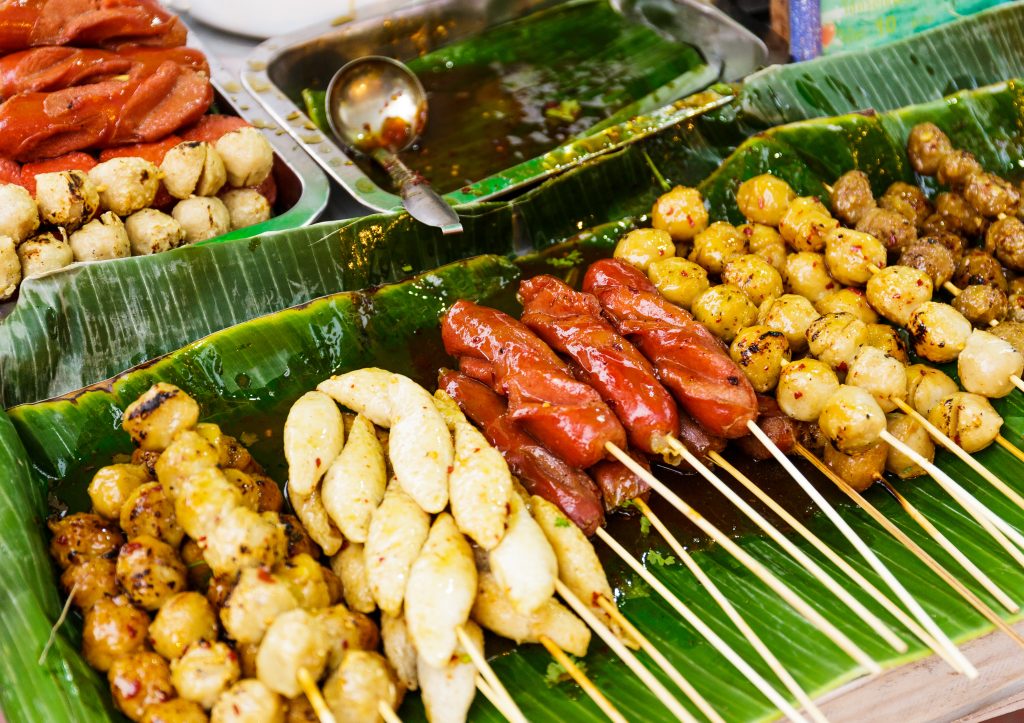
Xi’an, a halal paradise, is well-known for its historic Silk Road heritage. Stalls selling hand-pulled noodles, roujiamo (halal Chinese burgers), and lamb skewers line the city’s well-known Muslim Quarter.
Beijing
More than 70 halal eateries can be found in Beijing, many of which serve fusion and regional specialties like Xinjiang lamb halal tacos for Mexicans.
Yinchuan
With halal cuisine ingrained in daily life, Yinchuan, the capital of the Ningxia Hui Autonomous Region, is arguably the most halal-integrated city in China.
Guangzhou & Shanghai
These foreign cities are providing more and more halal in China options, such as Turkish kebabs and halal in China fine dining, as a result of the expanding Muslim expat populations.
3. Muslim Communities in China and Their Culinary Traditions
The Hui and Uyghurs, China’s two largest Muslim ethnic groups, have made significant contributions to Halal in China.
Hui Muslims
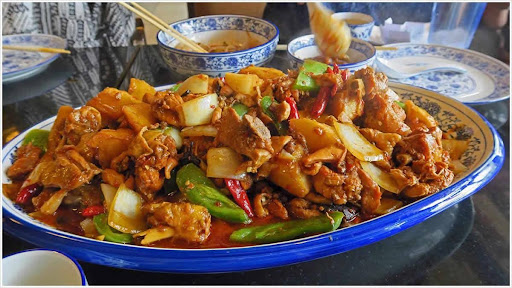
Hui cuisine is renowned for incorporating halal principles into Han-style Chinese cuisine. Imagine stir-fries, noodles, and dumplings— all made halal.
Muslims of Uyghur descent
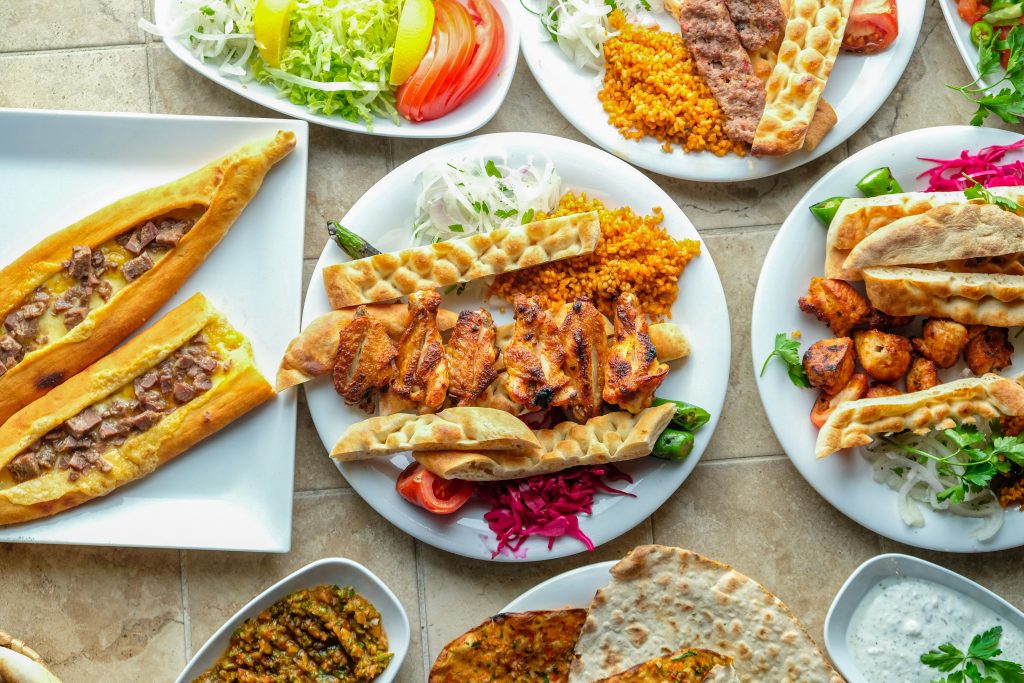
Uyghur food, which is based in Xinjiang, focuses on Central Asian dishes like grilled meats, pilaf, and flatbreads. Due to their popularity, Uyghur specialties are served in many halal restaurants throughout China.
4. The Halal Certification Process in China
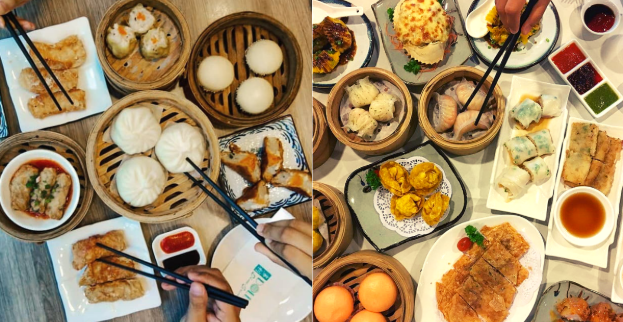
Despite some regional inconsistencies, China has taken steps to formalize halal certification:
-
Regulatory Oversight: Local Islamic associations (like those in Ningxia or Gansu) are often tasked with certifying halal producers.
-
Qingzhen Labels: Certification is tied to religious and cultural legitimacy; fake Qingzhen signs are penalized in some provinces.
-
Export Markets: As China exports halal products to Southeast Asia and the Middle East, stricter certification procedures are slowly gaining traction.
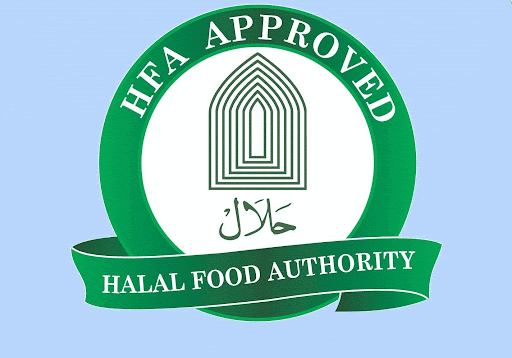
Zabiha Food recommends travelers and consumers look for QR codes or registration documents when seeking certified halal products in China.
5. Grocery Stores & Markets which are Halal in China
Halal butcher shops and supermarkets can be found in cities with substantial Muslim populations. They sell the following:
-
Halal meats and frozen foods
-
Spices and dry herbs
-
Halal instant noodles and sauces
-
Goods imported from Indonesia, Malaysia, and Turkey
Online platforms like JD.com and Taobao even have dedicated Qingzhen categories.
6. Growth of Mexicanos Halal Cuisine in China
The rise of Mexican halal options is one of the most exciting developments in halal in China.
Why is this taking place?
-
Student Migration: Every year, hundreds of Mexican students study in China, primarily in the fields of engineering and medicine.
-
Globalization: The halal food culture of Latin America is spreading and blending with the Chinese culinary landscape.
-
Business ventures: Muslim business owners from Latin America are starting Mexican eateries in Guangzhou, Shanghai, and Beijing, serving mexicanos halal tacos, enchiladas, and burritos.
These eateries blend cultures in delectable and considerate ways by frequently using halal-certified beef or lamb, and occasionally even Xinjiang-style fillings.
At Zabiha Food, we value this diversity and seek to highlight companies overseas that are offering inclusive halal experiences.
One of the most exciting developments in halal in China is the emergence of mexicanos halal options.
7. Challenges Facing Halal in China
Barriers to Language
In Mandarin or regional dialects, many tourists and even residents find it difficult to inquire about halal status. Learning important expressions such as “你们有清真食品吗?” It helps if you have halal food.
False labels for Halal
The Qingzhen sign is used by some restaurants without the required certification. This is particularly prevalent in tourist areas.
Political Limitations
Some cities have clamped down on public religious expression in recent years, which is affecting public religious expression, signage and visibility of halal outlets.
Insufficient Knowledge of Halal for Mexicanos
Outside of major cities, there is still a lack of awareness despite the popularity of Mexicanos halal food. Globally, halal entrepreneurs are supported and their visibility increased by platforms such as Zabiha Food.
8. The Function of Zabiha Food in Encouraging Worldwide Halal Access
We at Zabiha Food are more than just a directory. We are a community-driven platform that enables people who are concerned about halal to:
-
Find reliable halal food options, even in non-Muslim countries like China
-
Read certified restaurant and product reviews
-
Find out about international certification standards
-
Investigate emerging trends like Mexicanos halal cuisine
We think that food unites people from different backgrounds, religions, and cultures. To help Muslims travel, eat, and live with confidence, we publish guides like this one.
9.1. Halal Tourism in China: A Growing Opportunity
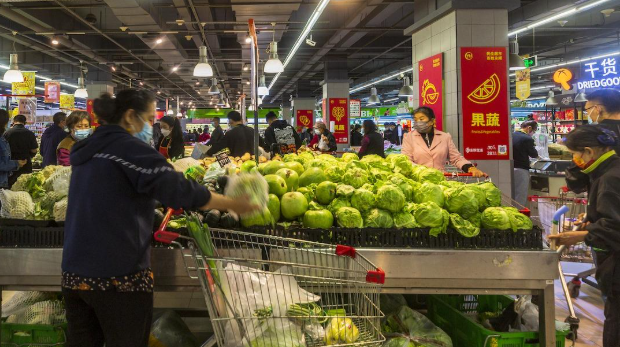
China is one of the most popular travel destinations in the world, and halal travel is gradually but surely gaining popularity. Though sporadically, Muslim-friendly lodging options, prayer areas at airports, and city guides that highlight halal eateries are starting to appear.
Because of their rich Islamic history and easy access to halal food, cities like Xi’an and Yinchuan already advertise to Muslim tourists.
The goal of government initiatives in provinces such as Gansu and Ningxia is to use cultural tourism to promote their Muslim past. As a result, the demand for certified halal food naturally rises in the food industry.
Halal in China experiences, like touring Hui villages or Uyghur bazaars, are becoming more and more common in tour packages. These culinary encounters enhance cross-cultural understanding. By highlighting underrepresented halal destinations and gathering city-specific halal travel advice, Zabiha Food supports these trends.
9.2. Halal E-commerce and Food Delivery in China
Halal food is also adjusting to e-commerce and app-driven delivery as convenience-based consumption increases. Users can now find local halal vendors by using filters for “清真” food on apps like Ele.me and Meituan.
Furthermore, WeChat groups devoted to sharing halal food are well-liked by professionals and students alike, particularly for specialized requests like Mexicanos halal dishes.
Big e-commerce sites have also joined the bandwagon. Hundreds of halal-certified products are available on JD.com and Taobao, ranging from frozen dumplings and snacks to sauces and spices. However, because some products mishandle halal symbols, trust is still a major problem.
Zabiha Food is essential in this situation because it selects vetted suppliers and informs users about certification markers and manufacturer histories.
9.3. Student Communities’ Contribution to Halal Awareness
International students actively contribute to the growth of halal in China, particularly those from Southeast Asia, the Middle East, and Latin America. Student-led organizations host prayer services, restaurant crawls, and halal cooking nights on campuses in Beijing, Guangzhou, and Shanghai.
Through these initiatives, local food businesses are influenced by micro-hubs of halal-conscious customers.
The growth of Mexicanos halal options has been directly impacted by the growing demand from Muslim students in Latin America. Small companies have begun serving fusion cuisine, which combines well-known Latin flavors with halal Chinese ingredients.
This development demonstrates how diasporic communities in China are reshaping local foodscapes in addition to culinary inventiveness. By providing these companies with a platform for increased visibility, Zabiha Food promotes these natural developments.
9.4. Cultural Sensitivity and Future Trends
Cultural sensitivity is still crucial in spite of these encouraging advancements. Whether they are Chinese natives or immigrants, restaurant owners and food entrepreneurs need to be aware of the religious significance of halal.
Some people believe that avoiding pork is sufficient, but halal includes ethical preparation, handling, processing, and sourcing. Both consumers and businesses need to be educated.
The demand for halal in China is expected to grow in three ways, according to current trends:
-
Improved digital access to halal certifications
-
An increase in Mexicanos halal and other ethnic fusion cuisines
-
A more robust infrastructure for halal travel
Platforms like Zabiha Food continue to be crucial as these trends develop because they empower halal communities globally and offer accurate, trustworthy information.
9. Conclusion: The Future of Halal in China
Halal in China is more than just a curious cultural phenomenon; it is a dynamic and expanding reality. China is emerging as a surprising participant in the halal food scene as a result of growing awareness of halal regulations, Muslim-friendly travel, and international culinary fusion.
The selection is growing, whether you’re a tourist seeking Uyghur kebabs in Shanghai or a student looking for Mexicanos halal tacos in Beijing.
Zabiha Food is your travel companion, helping you discover the halal world one bite at a time.
10. FAQs
Is halal food easily available in China?
Yes, especially in cities like Xi’an, Beijing, Yinchuan, and Shanghai. Look for “Qingzhen” signs or check Zabiha Food’s directory.
What is the meaning of “Qingzhen” in China?
“Qingzhen” (清真) means “pure and true” and is used to signify halal-certified restaurants and food products in China.
Are there halal Mexican food options in China?
Yes. The rise of mexicanos halal cuisine is a new trend in major cities, offering halal versions of burritos, tacos, and more.
Can I trust halal labels in China?
In Muslim-majority areas like Ningxia, halal regulation is strict. Elsewhere, verify through official labels, local Islamic associations, or trusted platforms like Zabiha Food.