
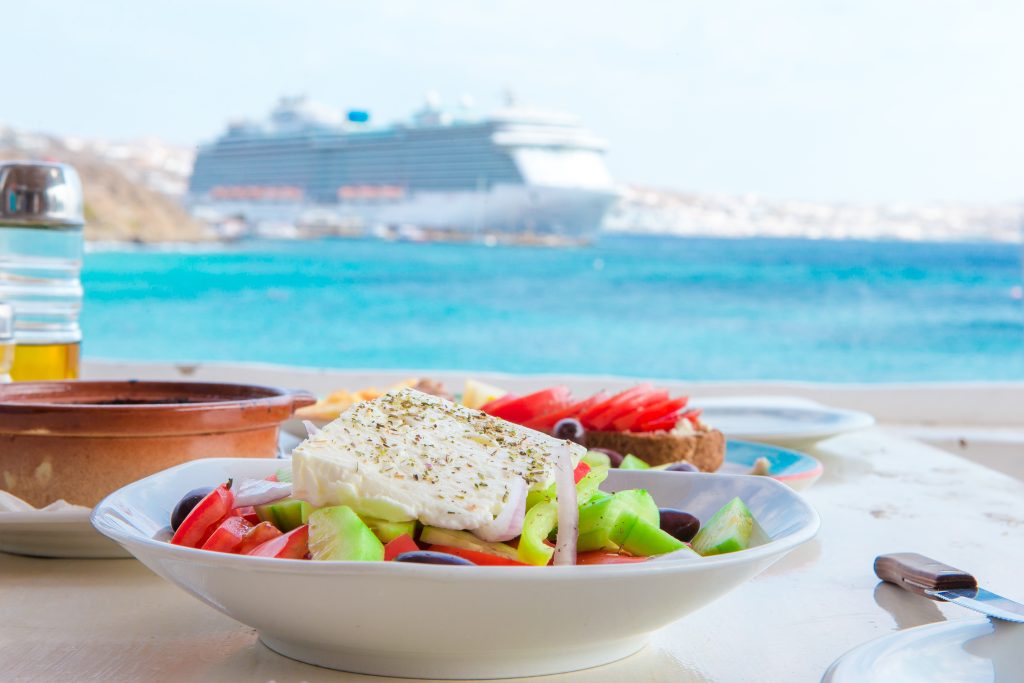
How Halal Experiences Promote Unity and Culture
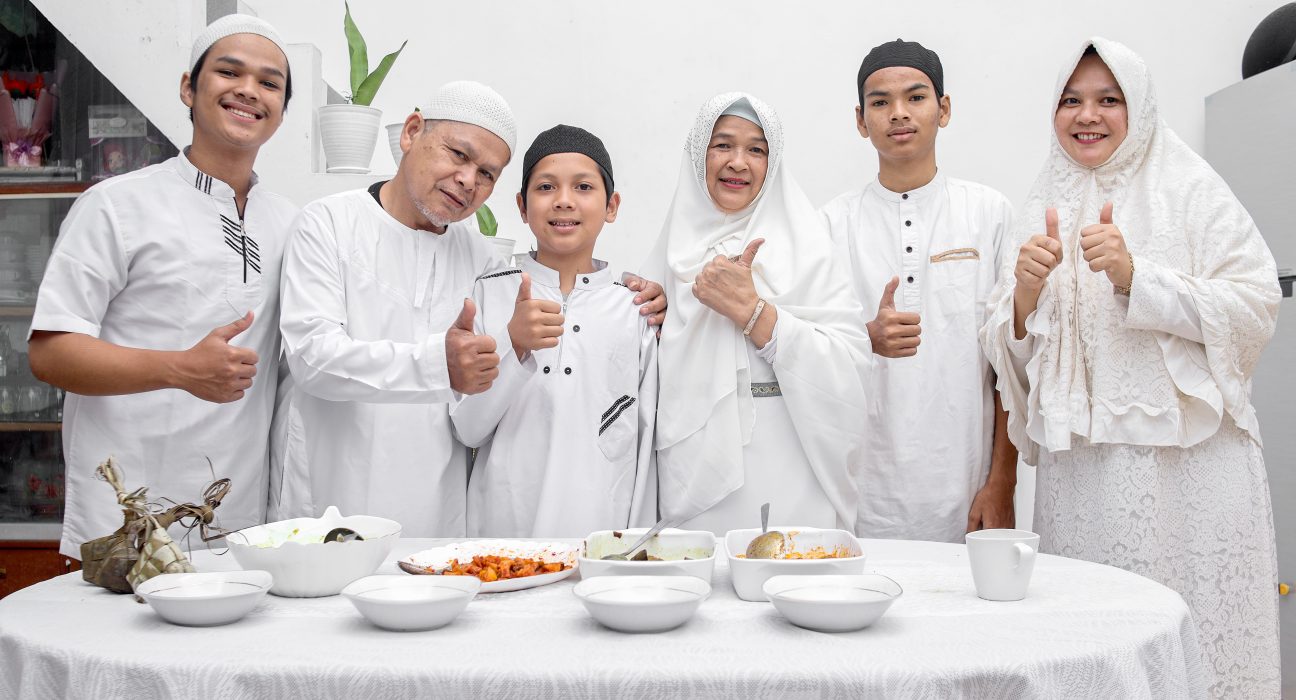
More Than Just Food — A Path to Belonging and Connection
In recent years, the global halal lifestyle has expanded far beyond dietary needs. From halal food festivals to Muslim-friendly travel and culinary experiences, a growing movement is helping Muslims—and non-Muslims—connect through shared values, stories, and flavors.
At the heart of it all? Unity and cultural appreciation. Halal experiences do more than offer permissible meals; they foster community, celebrate heritage, and create space for authentic expression.
Let’s explore how halal experiences build bridges, break stereotypes, and bring people together.
🕌 1. Honoring Faith in Public Spaces
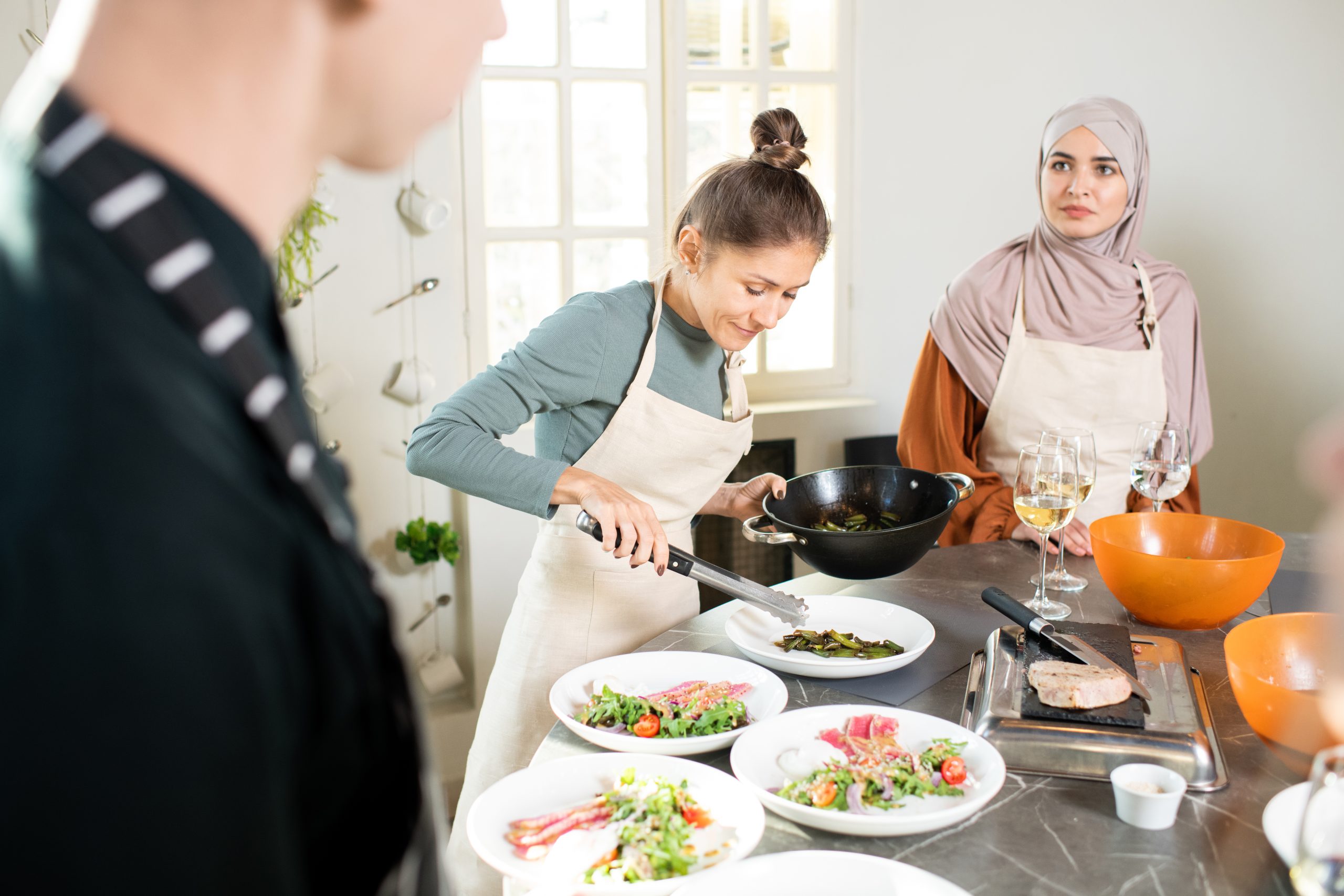
When a halal dining event, travel service, or cooking class openly centers Muslim values, it validates Islamic identity in broader society. This allows Muslims to:
-
Feel seen and welcomed
-
Practice their faith without compromise
-
Celebrate traditions openly
📍 Whether it’s a halal hotel in Spain or a prayer-friendly food tour in London, halal-centered spaces promote spiritual unity and inclusivity.
🍽️ 2. Food as a Cultural Connector
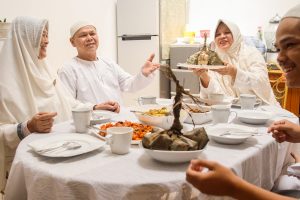
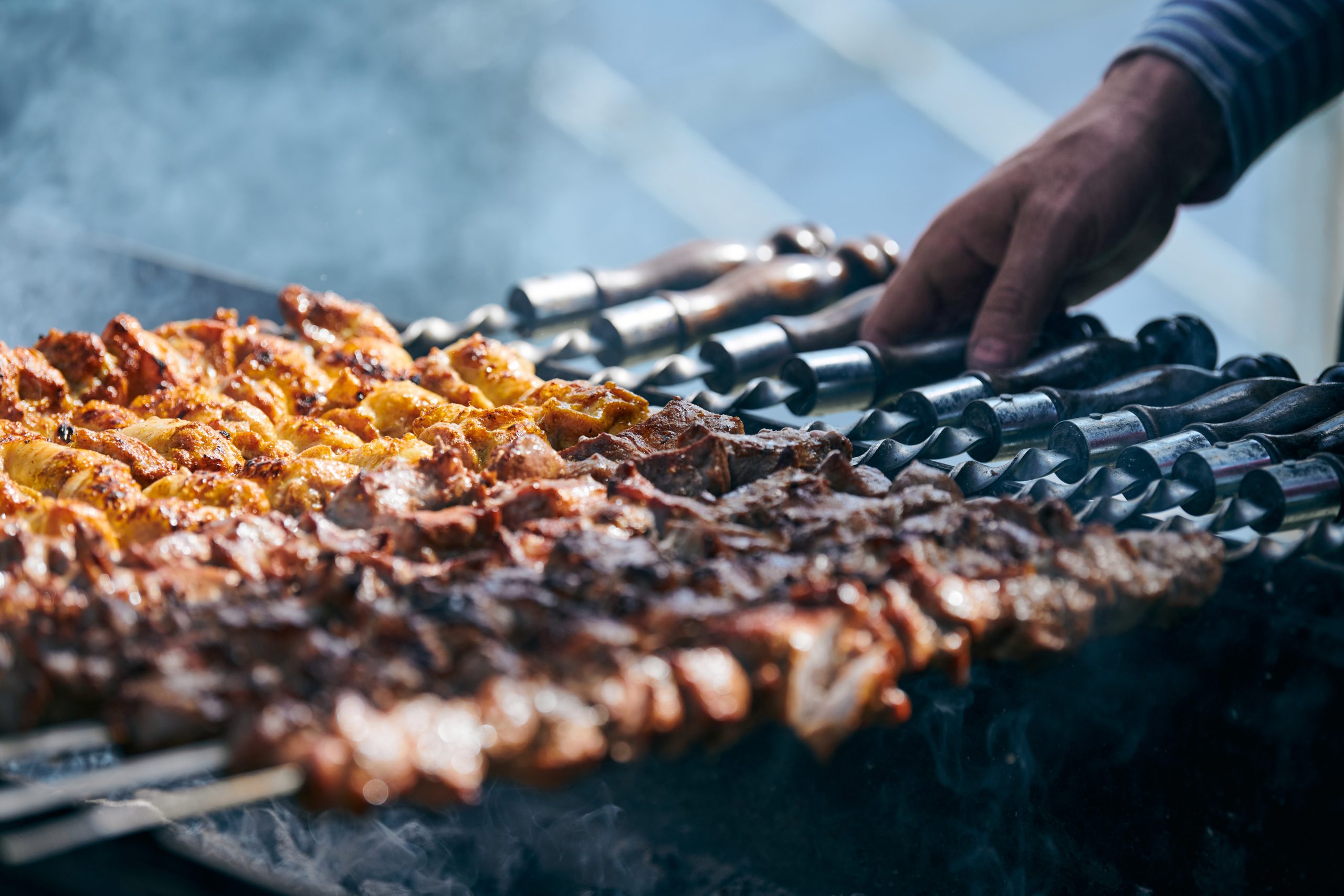
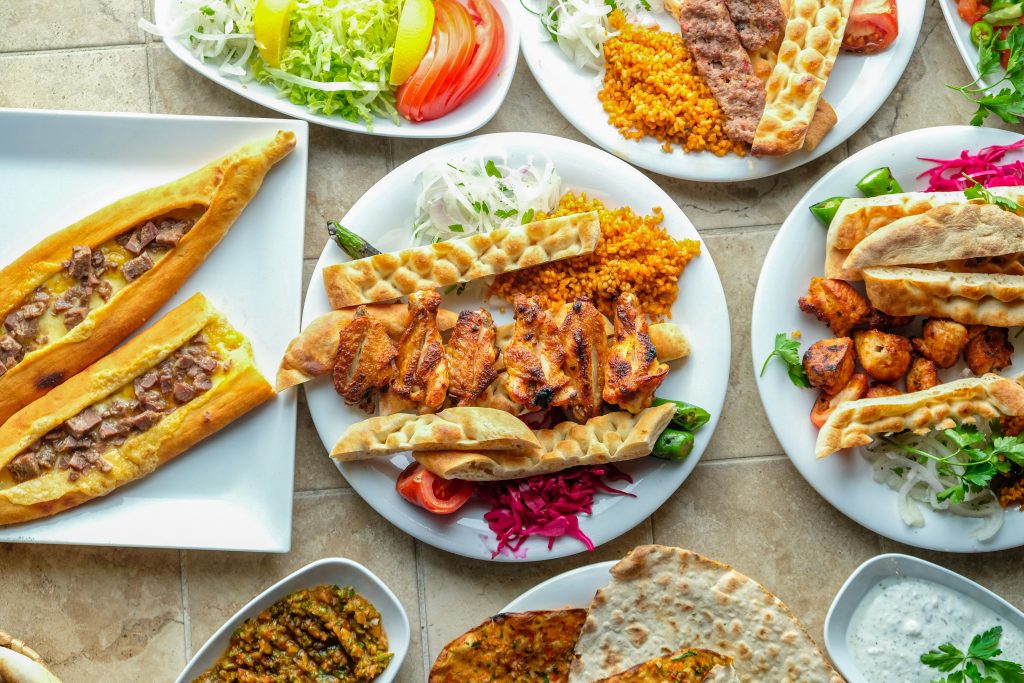
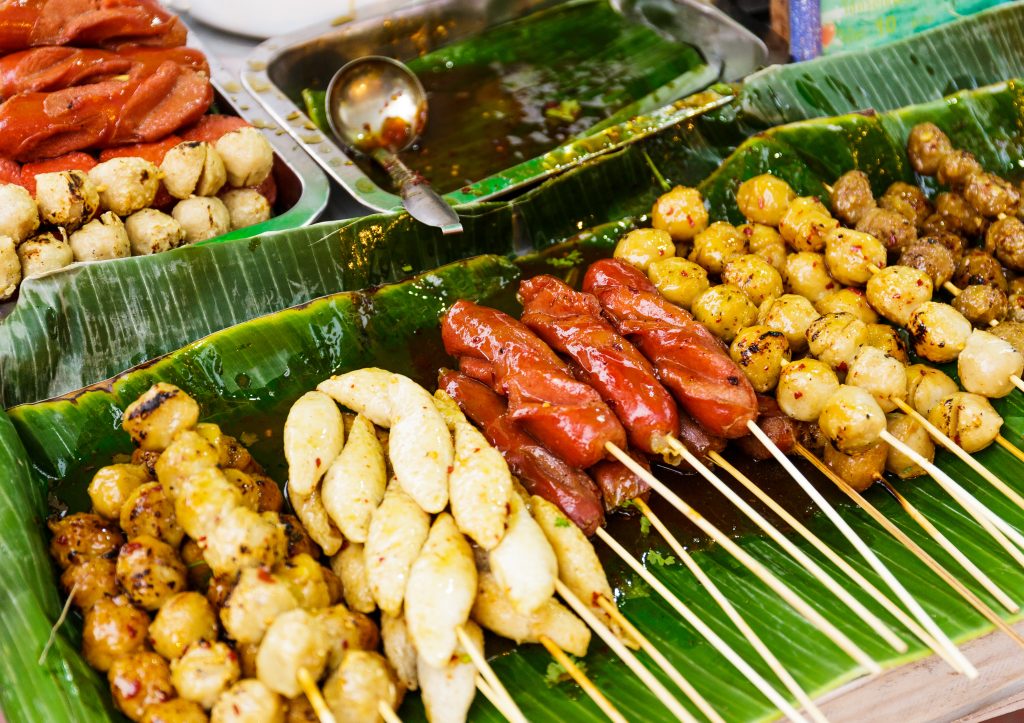
Halal food is a gateway to global Muslim culture. From Turkish kebabs to Malaysian laksa or Somali sambusas, halal food experiences showcase:
-
Diversity within the ummah
-
Rich culinary traditions rooted in culture and history
-
Shared Islamic values expressed through local flavors
When people from different backgrounds cook or eat halal together, it creates dialogue, understanding, and respect.
🫱🏽🫲🏿 Breaking bread together is one of the oldest forms of human connection—and halal experiences revive that spirit.
👨👩👧 3. Building Cross-Generational Bonds
Halal food tours, cooking classes, or festivals often attract families and communities, making them ideal for:
-
Passing down recipes and oral traditions
-
Teaching kids the value of halal choices
-
Connecting youth with elders through food and storytelling
🧕 A grandma sharing her biryani recipe at a halal event becomes more than a cook—she becomes a cultural ambassador.
✈️ 4. Empowering Muslim Representation
When Muslims host halal pop-ups, travel experiences, or food festivals, they’re:
-
Controlling their narrative
-
Showcasing the beauty of their heritage
-
Shattering negative stereotypes
These experiences help redefine what it means to be a modern Muslim—bold, creative, inclusive, and proud of faith and roots.
🎤 Every hijabi chef, halal travel vlogger, or Muslim-owned café owner contributes to authentic representation.
🤝 5. Creating Shared Spaces for Muslims & Allies
Many halal experiences are open to non-Muslims too. This helps:
-
Introduce Islamic practices in approachable ways
-
Build interfaith understanding through food and hospitality
-
Encourage allies to respect and support halal choices
✨ A halal food truck at a street festival or an interfaith iftar can be a powerful symbol of unity across differences.
📸 6. Preserving Culture in Modern Times
As globalization reshapes how we live, halal experiences help Muslim communities:
-
Preserve regional languages, dishes, and customs
-
Archive stories through recipes, cookbooks, and digital content
-
Pass on cultural pride to younger generations
🧭 It’s not just about where the food comes from—it’s about where we come from, and keeping that alive through meaningful experiences.
💬 Final Thoughts
Halal isn’t just a label—it’s a lifestyle rooted in faith, ethics, and community. When we share halal experiences with others—through food, stories, or travel—we don’t just create memories. We build understanding, celebrate diversity, and strengthen bonds within and beyond the Muslim world.
Whether you’re a traveler exploring halal destinations, a chef running a pop-up, or simply a foodie attending a local event, know this:
👉 Your halal experience is part of a much bigger story—one of unity, resilience, and cultural pride.