
How to Identify Fake Halal Claims: Red Flags Every Muslim Should Know
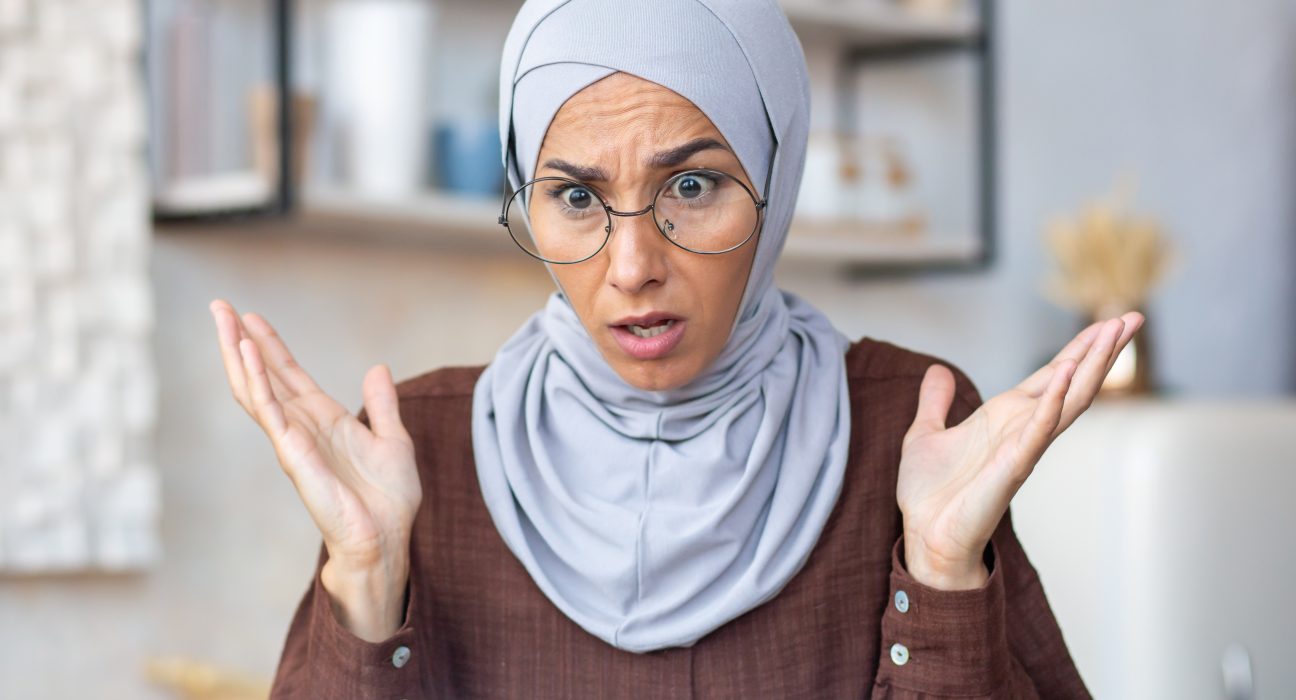
In a world where the demand for halal products is growing, some businesses unfortunately exploit the term “halal” for marketing without truly following Islamic guidelines. For Muslim consumers, this can be confusing and frustrating — especially when you’re trying to stay committed to your faith. Knowing how to spot fake halal claims is essential to avoid accidentally consuming haram food or supporting dishonest practices.
Here are the key red flags every Muslim should watch out for when identifying fake or misleading halal claims:
1. No Recognized Halal Certification Logo
Genuine halal-certified products or restaurants will clearly display a recognized halal logo, such as:
-
JAKIM (Malaysia)
-
IFANCA (USA)
-
MUIS (Singapore)
-
SANHA (South Africa)
If you see the word “halal” but no official certifier’s name or symbol, be cautious. Always verify with the certifier’s official website when in doubt.
2. Halal Sign But Alcohol or Pork on the Menu
This is one of the biggest red flags. Some places claim to be halal but still serve alcohol or pork — both of which are clearly haram in Islam. A restaurant that claims to be halal but includes wine sauces, bacon, or alcoholic beverages is not following proper halal standards.
3. Staff Are Unsure or Give Vague Answers
If you ask, “Is this halal?” and the staff says things like:
-
“I think so.”
-
“We buy it from a local supplier.”
-
“It’s chicken, so it should be halal.”
These are signs they may not fully understand what halal means — or they may be avoiding the truth. Authentic halal businesses are confident and transparent about their sourcing and processes.
4. No Documentation or Proof of Halal Sourcing
A truly halal business should be able to show proof of halal sourcing, such as:
-
A valid halal certificate from a recognized authority
-
Packaging from a halal-certified meat supplier
-
Clear halal labeling on ingredients
If they can’t provide documentation when asked, it’s a major warning sign.
5. Halal in Name Only (Marketing Trick)
Some products or restaurants use the word “halal” as a marketing tool, hoping to attract Muslim customers — even when they don’t follow Islamic guidelines. This happens more often in non-Muslim countries where regulations are loose. Always cross-check online reviews, halal certifier databases, or Muslim travel/food apps before trusting the label.
6. Mixing Halal and Non-Halal Items in the Same Kitchen
Cross-contamination is a serious issue. A kitchen that handles pork or alcohol alongside halal meat, without separation, can easily make halal food impure (najis). Halal certification includes strict hygiene and separation rules to avoid this.
7. Expired or Suspicious Halal Certificates
Sometimes, businesses display old or expired certificates. Always check the issue and expiry dates. You can also verify a certificate’s validity by visiting the website of the halal certifying body listed on the certificate.
Final Thoughts
Staying halal isn’t just about what you eat — it’s about being informed and intentional. By learning to recognize these red flags, you can protect your deen, make ethical choices, and encourage businesses to uphold true halal standards. Don’t be afraid to ask questions, verify information, and walk away when something doesn’t feel right — your sincerity matters.