
Is Halal Food Healthy? A Guide on Nutrition, Ethics & Global Appeal
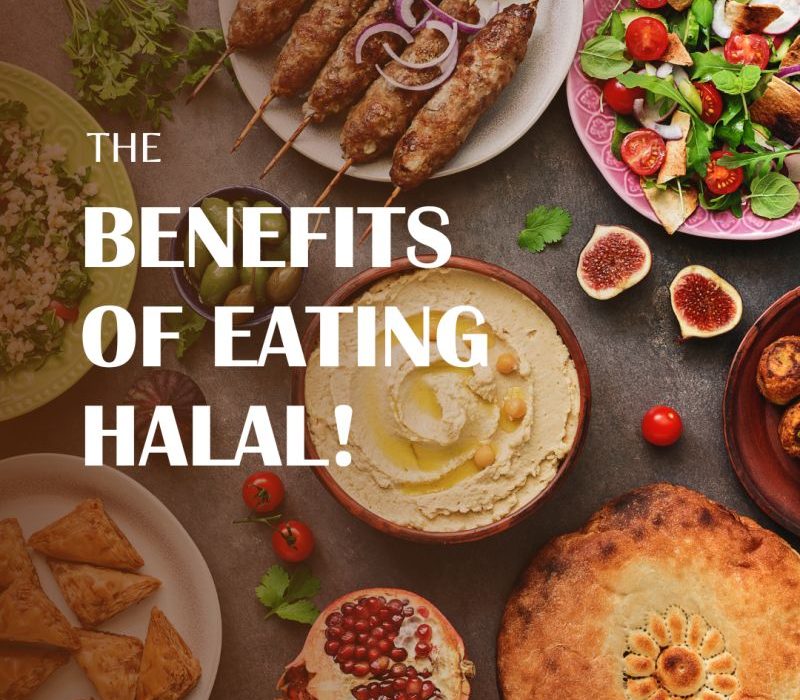
The question: ‘Is halal food healthy?’ is frequently asked as more people look for food that is sourced ethically, is high in nutrients, and has spiritual significance.
There are more than just religious roots to the solution. Halal cuisine is becoming more and more well-liked worldwide, regardless of whether you adhere to Islamic dietary regulations. Halal is becoming more and more popular among consumers due to its humane practices, clean sourcing, and possible health advantages. However, what distinguishes halal cuisine from conventional or even kosher options, and is it actually healthier?
This guide will examine:
So, is kosher food halal? Not quite. While kosher food is closer to halal than conventional food, it still doesn’t fulfill all halal requirements.
- Definition of halal food
- Research on its nutritional effects
- Comparison with kosher
- Is halal food Indian?
- The environmental, spiritual, and psychological facets of halal life
Halal Food: What Is It?
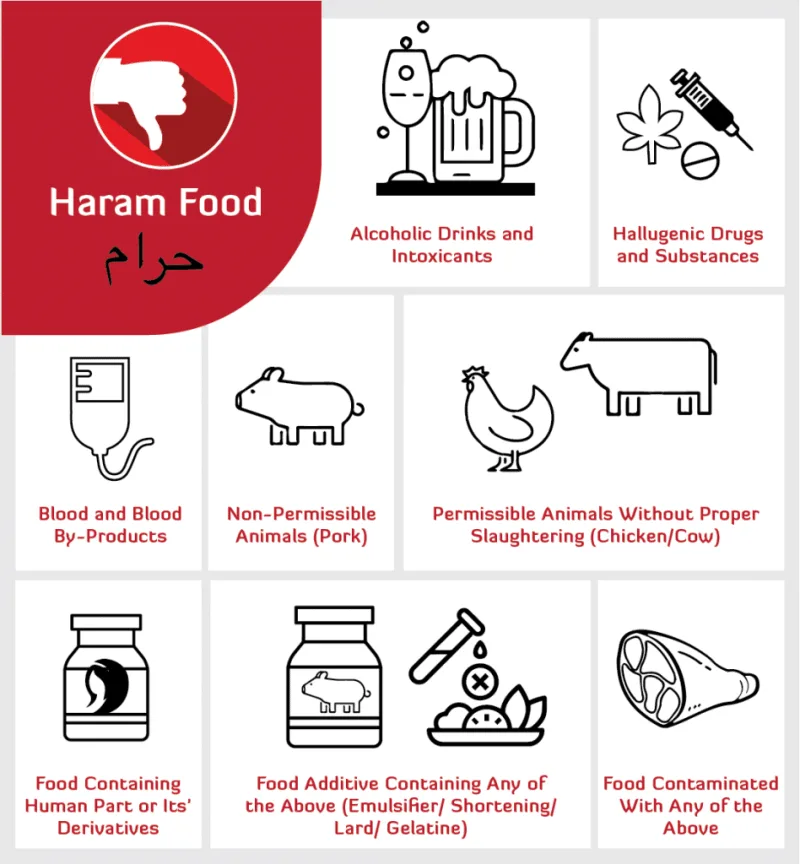
In Arabic, “halal” means “permissible.” Food must adhere to Islamic laws as stated in the Quran and Hadith in order to be considered halal. This entails- The animal must be in good health when it is killed.
- The blood must be completely drained; before slaughtering, a Muslim must invoke the name of God.
- Processing must be kept clean; no alcohol, pork, or hazardous ingredients may be used.
Is Halal Food Healthy, According to Science?
In 2022, a pilot study by the University of Extremadura compared halal meat to conventional beef and lamb. The results were remarkable: the superior lipid profile of halal meat improved participants’ body fat, muscle mass, and antioxidant status without having an adverse effect on blood markers like insulin or glucose or gut microbiota. The cleaner meat also showed fewer contaminants because it was free of synthetic feed, hormones, and antibiotics. This demonstrates that even non-Muslims can benefit from eating halal food.Is Indian food halal? Examining Cultural Ignorance
The question: ‘is halal food Indian?’ is one frequent misconception. In a nutshell, halal is not an Indian product, even though Indian food can be halal. Halal is an Islamic religious tenet, not an Indian cultural practice. However, since India is home to the third-largest Muslim population in the world, many Indian restaurants offer halal options. Foods like butter chicken, kebabs, and biryani can be made halal if the ingredients and preparation follow Islamic dietary laws. Therefore, even though not all Indian food is halal, halal Indian food is well-liked and appreciated by many communities worldwide.Halal vs. Kosher: Is Kosher Food Halal?
Another frequent query is kosher food halal? The two dietary systems—kosher (Judaism) and halal (Islam)—share similar values, such as humane slaughter and avoiding blood. However, there are key differences:| Criteria | Halal | Kosher |
|---|---|---|
| Invocation | Requires God’s name during slaughter | No blessing required at slaughter |
| Blood Removal | Mandatory | Mandatory |
| Permitted Animals | Includes chicken, lamb, beef, fish | Similar, but excludes shellfish |
| Alcohol | Strictly forbidden | Permitted unless in meat |
| Animal Feed | Must be vegetarian | No specific rule |
Important Nutritious Advantages of Halal Food
Are you still unsure about ‘is halal food healthy?’ Let’s examine it in terms of nutritional advantages:- Proteins that are cleaner
- Better freshness
- Reduced risk of bacteria and toxins
- High-quality amino acids
- Free of Hormones
- Packed with Nutrients
- Assists with Weight Control
Halal Food’s Contribution to Disease Prevention
Heart Health: Because it drains the blood, halal meat has less saturated fat when it is sourced and trimmed correctly. A healthier heart is the result of lower cholesterol. Diabetes Management: By discouraging alcohol and added sugars, the halal approach facilitates blood sugar control. Eating well-balanced meals that contain foods high in fiber, such as lentils and vegetables, can also help prevent insulin spikes. Digestive Wellness: Because halal food is less processed and cleaner, it might be easier to digest. Using fewer artificial enhancers and additives reduces gut irritation.Can Non-Muslims Eat Halal Food?
Indeed, halal food isn’t limited to Muslims. The high standards of hygiene, ethical sourcing, and freshness appeal to everyone. In fact, many non-Muslim patrons select halal cuisine due to the following reasons:- Tastes better
- Uses cleaner ingredients
- Avoids chemical processing
- Complies with their moral principles.
Benefits of Eating Halal for Your Mind and Soul
Halal food has advantages for the mind and soul in addition to the body. Halal adherents frequently mention:- Comfort from consuming wholesome food
- Less guilt due to morally righteous animal care
Halal and Sustainability: An Eco-Friendly Approach
The halal lifestyle places a high priority on environmental issues. Among the fundamental ideas are:- Free-range, grass-fed animals
- Ethical sourcing
- Clean supply chains
- Minimal waste during slaughter
Common Myths: Dispelling False Beliefs About Halal
Let’s address a few frequently asked questions: Is kosher food halal? No. Although the concepts are similar, not all halal requirements are met by kosher food, particularly when it comes to prayer, alcohol, and animal feed. Is halal food Indian? No, but halal Indian food is very accessible and frequently ranked among the best options available worldwide. Does eating halal food help you lose weight? Because of its lean proteins and clean sourcing, halal food can help with weight management when included in a balanced diet. Does halal cuisine always cost a lot of money? Not always. Due to ethical standards, some halal-certified meats may be a little more expensive, but the quality and peace of mind they provide frequently make the difference.How to Incorporate Halal Food into Your Diet
Whether you’re Muslim or not, here are some ways to add halal meals to your lifestyle:- Look for certification: Check for halal logos in stores and restaurants.
- Go homemade: Prepare dishes like grilled halal chicken, lentil soup, or halal Indian curries at home.
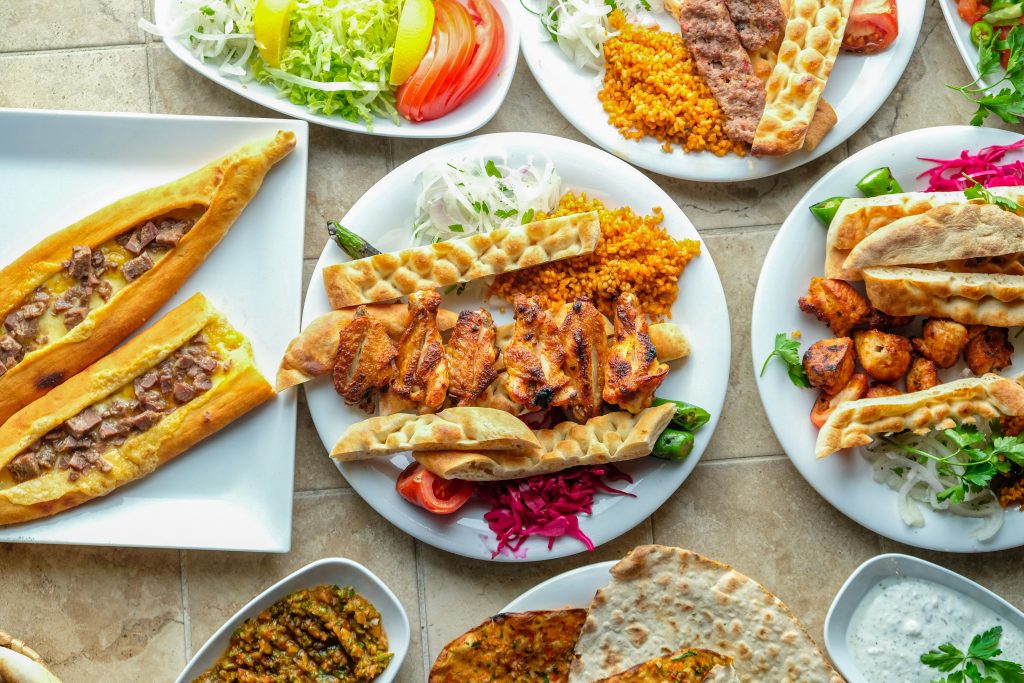
- Explore local halal restaurants: Many offer diverse cuisines—from Mediterranean to halal Indian food.
- Swap your staples: Choose halal-certified meats, snacks, and frozen meals.
Contemporary Halal Cuisine: An International Culinary Trend
Halal cuisine has evolved into a worldwide culinary identity that transcends religion and health. Halal is changing food culture in ways that few could have predicted even ten years ago, from London to Los Angeles. Halal-certified food is now regarded as a sign of quality assurance due to the growing demand for ethical animal care, allergen-free options, and transparency in sourcing. Halal Indian food, halal Mediterranean platters, and halal fusion dishes are now available at a lot of big chains, food startups, and fine-dining restaurants. Serving Muslim diners is only one goal of this expansion; another is to satisfy the increasing number of ethically and health-conscious customers who inquire about the safety and reliability of halal food.Halal’s Place in Multicultural and Interfaith Environments
In multicultural societies, halal cuisine frequently serves as a unifying factor. Serving halal-certified food at corporate events, hospitals, schools, and interfaith gatherings promotes inclusivity and respect for diversity. Furthermore, halal cuisine can serve as a bridge between individuals with diverse religious beliefs because it frequently satisfies numerous kosher and vegetarian requirements. Although not all kosher food is halal, and vice versa, dual-certified products are becoming more and more popular. Clean, ethical food is a value that unites people of all faiths, and these serve a wider audience. Therefore, the answer to the question of whether kosher food is halal is still technically no, but the growing overlap in consumer demand points to a wider trend: convergent ideals centered on purity, health, and respect for life.What About Vegan and Plant-Based Halal Alternatives?
Not all halal cuisine consists of meat. As long as they don’t include alcohol, animal derivatives (like gelatin), or cross-contaminated ingredients, a lot of plant-based foods are actually naturally halal. Vegetarian options that satisfy halal standards, such as lentil dals, vegetable biryanis, or paneer dishes, are frequently found in halal Indian food. When the ingredients are whole, clean, and devoid of prohibited additives, veganism and halal can coexist peacefully. Halal cuisine has a bright future at the nexus of food technology, wellness fads, and religious customs. The market is expanding quickly to satisfy contemporary demands, whether it is for organic vegan snacks, halal-certified protein shakes, or dairy substitutes.Who Oversees Halal Certification?
There is no universally applicable standard for halal certification. Requirements and symbols vary among nations and organizations. However, a halal certifier typically examines:- Animal welfare procedures
- Sources of ingredients
- Production plants
- Documentation and labeling
- IFANCA (Islamic Food and Nutrition Council of America)
- JAKIM (Malaysia)
- HFA (UK)
- Halal India
- CICOT (Thailand)
Is Halal a Better Option for Allergy Sufferers?
The minimal ingredient profile of halal food may make it safer for those with food allergies. The following are commonly forbidden or restricted by halal laws:- Gelatin, a common allergen usually derived from pork
- Artificial coloring
- Alcohol-based flavorings
- Preservatives from questionable sources
Halal Cuisine in the Health and Medical Fields
Many hospitals and wellness centers now serve halal food to meet dietary and cultural needs. Particularly in cities with diverse populations, healthcare systems are learning that the question of “is halal food healthy?” is not just one of curiosity but rather one of policy. For instance, because halal food is easier to digest and has fewer toxins, patients with ethical or spiritual concerns might prefer it. Whether a patient is recovering from surgery or managing a chronic illness, the availability of halal food encourages holistic healing.Halal and Exercise: Healthful Benefits
The halal food market is also being tapped by fitness communities. These days, halal-certified protein powders, energy bars, and clean-eating meal prep services are sought after by athletes and gym patrons. Why? Because people are starting to understand that halal is about purity, not just permission. And purity is important when it comes to performance nutrition. Fitness-conscious young people seeking ethical gains are driving up demand for everything from grilled halal chicken and brown rice bowls to clean supplements. The Future of Halal Is Being Shaped by Global Food Trends In the upcoming years, the global halal market is expected to grow to a value of over $2 trillion. Originally a religious mandate, this industry is now fueled by:- Urban migration; tech-savvy millennial consumers
- health fads like gluten-free, paleo, and keto
- the need for cruelty-free and sustainable practices