
Major Halal Certification Bodies Around the World
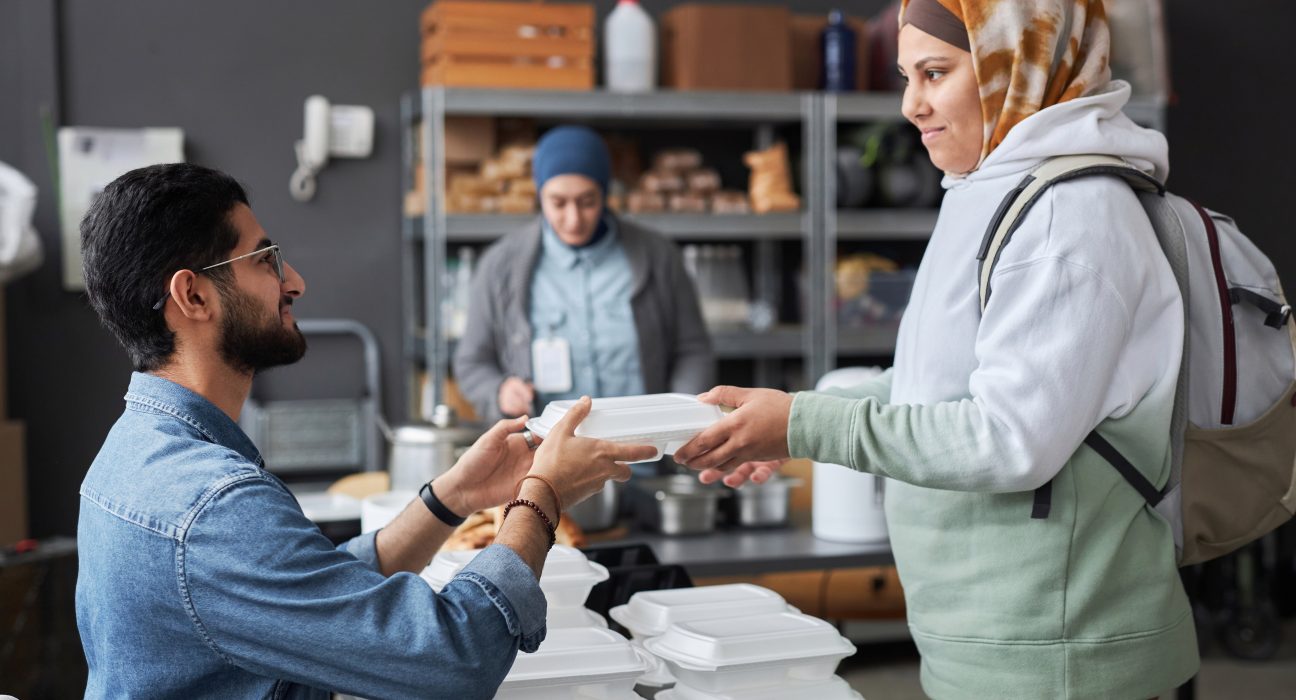
As demand for halal products continues to grow globally, so does the importance of halal certification bodies. These organizations ensure that products and services comply with Islamic dietary laws and provide the certification that many consumers and governments require. While standards are similar, different countries have their own recognized halal authorities, each with unique processes and reputations.
Here’s an overview of the most prominent halal certification bodies around the world:
1. JAKIM (Malaysia)
Jabatan Kemajuan Islam Malaysia (JAKIM) is one of the most respected halal authorities in the world.
-
It sets strict guidelines for halal certification in food, cosmetics, and pharmaceuticals.
-
JAKIM’s certification is highly trusted, especially across Southeast Asia and the Middle East.
-
Malaysia also only recognizes halal certifications from certain approved international bodies.
2. MUIS (Singapore)
Majlis Ugama Islam Singapura (MUIS) is Singapore’s official Islamic authority.
-
It offers clear, structured guidelines and is known for its professional auditing processes.
-
MUIS certification is especially important for businesses operating in Singapore’s strict halal environment.
-
The MUIS logo is a mark of trust across Asia.
3. IFANCA (USA)
The Islamic Food and Nutrition Council of America (IFANCA) is one of the largest halal certifiers in North America.
-
It certifies thousands of products and brands globally.
-
IFANCA certification is accepted in many Muslim-majority countries, including those in the Middle East and Southeast Asia.
-
It also provides certification for non-food items like cosmetics and pharmaceuticals.
4. HFA (UK)
Halal Food Authority (HFA) is a major UK-based certifier.
-
It focuses on both the food industry and restaurant sectors.
-
HFA is known for working closely with UK food safety and health authorities.
-
It has clear guidelines for meat, slaughter, and food handling procedures.
5. SANHA (South Africa)
The South African National Halaal Authority (SANHA) is highly respected across Africa and beyond.
-
SANHA is known for strict adherence to Islamic principles and transparency in auditing.
-
Its certification is accepted in several countries and is especially influential in Southern Africa.
Other Notable Bodies:
-
Halal Australia – Popular in Oceania and accepted in several Muslim countries.
-
Halal India – Active in certifying domestic and international products.
-
CICOT (Thailand) – Overseen by the Central Islamic Committee of Thailand, which certifies thousands of products annually.
-
BPJPH (Indonesia) – Indonesia’s new halal authority under the Ministry of Religious Affairs, replacing MUI for official halal regulation.
Why These Bodies Matter
Each of these organizations plays a vital role in:
-
Protecting Muslim consumers from haram or doubtful products
-
Ensuring ethical and hygienic standards
-
Enabling international trade by meeting import regulations of Muslim-majority countries
-
Promoting transparency in global supply chains
Conclusion
Halal certification bodies are the backbone of the global halal industry. Whether you’re a consumer looking for trusted products or a business aiming to expand internationally, understanding the role of these authorities is essential. Their logos aren’t just stamps — they represent trust, compliance, and commitment to Islamic values.