
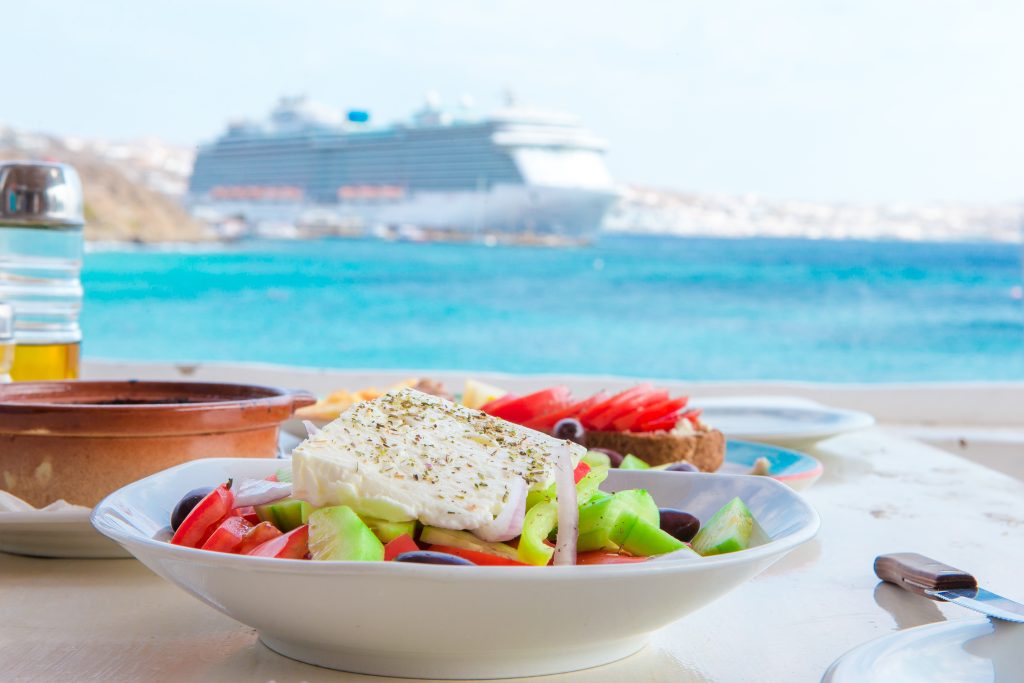
Muslim Solo Traveler’s Halal Food Survival Guide
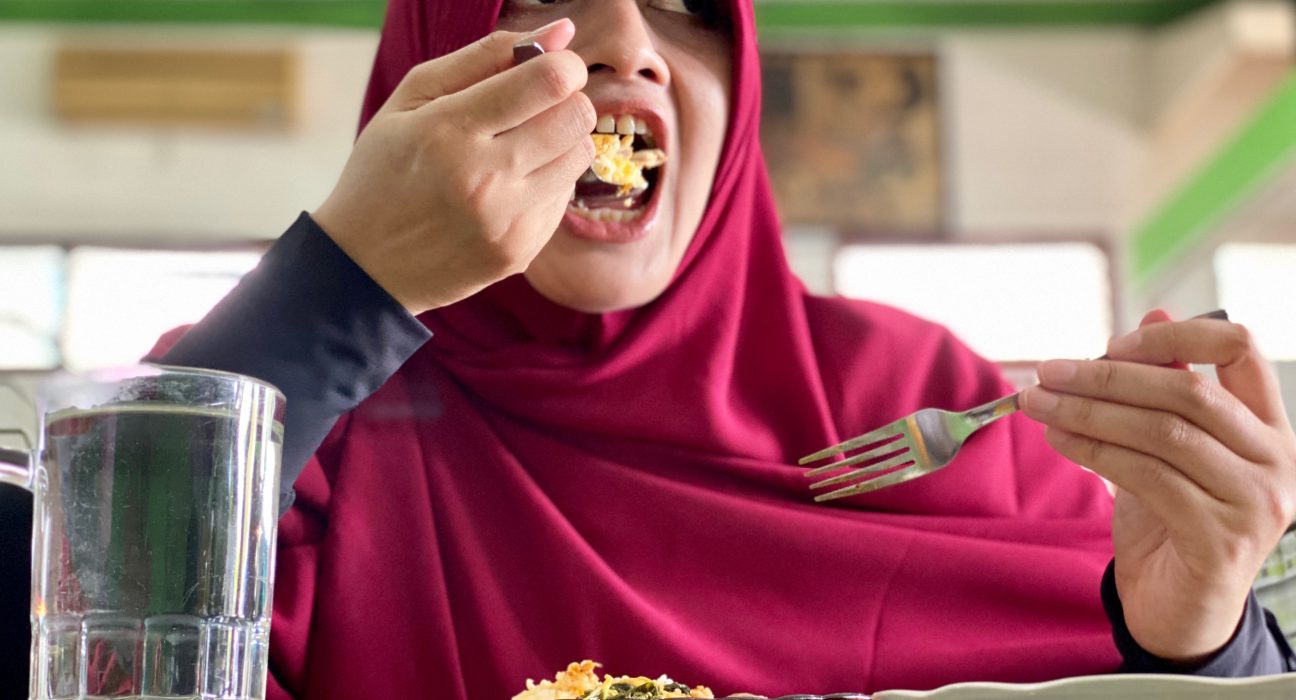
Traveling solo as a Muslim can be empowering, but one common challenge is ensuring access to halal food—especially when you’re exploring places with limited Muslim communities. Whether you’re on a tight itinerary or venturing off the beaten path, this guide will help you find halal meals and stay nourished wherever you go.
1. Do a Halal Food Audit Before You Go
Before arriving in a new city, research the area for halal restaurants, markets, and local Muslim communities. Use apps like Zabihah, HappyCow (for vegetarian fallback options), or Google Maps with the keyword “halal” to save key locations offline.
2. Master Basic Food Vocabulary
Learn a few essential phrases like:
-
“Is this halal?”
-
“Does this contain pork or alcohol?”
These phrases, translated into the local language, can help you navigate menus with more confidence.
3. Choose Accommodations with Kitchens
Staying at hostels or hotels with kitchens allows you to buy fresh ingredients and prepare your own meals. You can easily cook halal-friendly dishes with local produce and meat from verified halal or vegetarian stores.
4. Carry Emergency Halal Snacks
Pack protein bars, nuts, instant noodles (halal certified), or ready-to-eat meals. These are lifesavers when you’re in transit, in rural areas, or simply too tired to search for food late at night.
5. Visit Local Mosques
Mosques are not just spiritual centers—they’re also great places to connect with locals who can recommend halal restaurants and even invite you for a meal. Many mosques post community notices about halal services nearby.
Final Tip: Trust Your Instincts
If you’re unsure about a meal, it’s okay to skip it. As a solo traveler, safety and faith come first. With a little planning and resourcefulness, you’ll find that halal food is never too far away—even when you’re going it alone.