
Tips for Eating Halal in Non-Muslim Countries
Stay Faithful to Your Diet, Wherever You Go
Traveling to non-Muslim countries doesn’t mean you have to compromise your halal lifestyle. With a little planning and resourcefulness, it’s absolutely possible to eat well, stay halal, and even discover hidden gems along the way.
Here are practical, time-tested tips to help you maintain your halal diet while exploring new destinations.
🔍 1. Do Your Research Before You Go
Before you even book your ticket:
-
Use halal food apps like Zabihah, HalalTrip, or HappyCow (for vegan halal-friendly options)
-
Search for Muslim neighborhoods or areas with mosques (halal restaurants often surround them)
-
Look into local halal certification bodies (e.g., HFA in the UK, IFANCA in the USA)
🧭 Planning ahead means fewer surprises and more time to enjoy your trip.
🕌 2. Visit Mosques or Islamic Centers
Local mosques are often hubs for halal resources. They may have:
-
Recommendations for halal butchers or eateries
-
Community bulletin boards with restaurant flyers
-
Volunteers happy to guide you
💬 Don’t hesitate to ask. Local Muslims usually know the best halal spots around!
🍗 3. Choose Seafood, Vegetarian, or Vegan Dishes
When halal meat isn’t available, go plant-based or seafood:
-
Grilled fish, seafood paella, or sushi (without mirin or alcohol-based sauces)
-
Indian vegetarian thalis
-
Middle Eastern falafel wraps or hummus platters
-
Vegan dishes in trendy cafes
🍽️ Stick to dishes that don’t leave room for hidden animal products or alcohol-based ingredients.
🛒 4. Shop at Supermarkets and Cook Your Own Food
Sometimes, your best option is DIY halal cooking:
-
Buy vegetables, pasta, rice, eggs, canned beans, or halal-certified meat (if available)
-
Look for stores with international or ethnic food sections—especially South Asian or Middle Eastern products
-
If staying in an Airbnb or hotel with a kitchenette, cooking gives you full control
🛍️ Bonus: It’s often cheaper and healthier, too.
📜 5. Check for Halal Certification Logos
In some countries, food labeling is your best friend. Look for:
-
Trusted halal certification marks (like JAKIM, HFA, IFANCA, etc.)
-
Ingredients list (avoid gelatin, rennet, lard, alcohol, etc.)
-
Online verification from certifiers’ websites
🔍 Always verify unfamiliar logos if you’re unsure. A quick online search can help.
🍴 6. Ask Questions Politely at Restaurants
When dining out:
-
Ask if the meat is halal and how it’s sourced
-
If meat isn’t halal, ask for a vegetarian or seafood version
-
In non-halal restaurants, request that your food be cooked separately from pork or alcohol-based sauces
🗣️ Key phrases:
-
“Is the meat halal?”
-
“Can you prepare this without alcohol?”
-
“Do you have vegetarian options?”
🌐 7. Use Technology to Your Advantage
Let your smartphone do the work:
-
Google Maps: Search “halal food near me” and filter reviews
-
TripAdvisor/Yelp: Read reviews by fellow Muslims or filter by cuisine type
-
Translate apps: Learn key dietary words in the local language (e.g., “no pork,” “halal,” “alcohol-free”)
📱 Halal-friendly navigation is now just a few taps away.
✈️ 8. Pack Some Halal Essentials
Bring along:
-
Halal protein bars or snacks
-
Instant noodles (halal-certified)
-
Portable utensils or a travel-size prayer mat
-
Ziploc bags for leftovers
🧳 These come in handy during layovers or remote area travels.
🚫 9. Avoid Foods with Hidden Non-Halal Ingredients
Watch out for:
-
Gelatin or rennet in desserts or cheese
-
Lard in pastries
-
Alcohol-based sauces (e.g., soy sauce with mirin, some salad dressings)
-
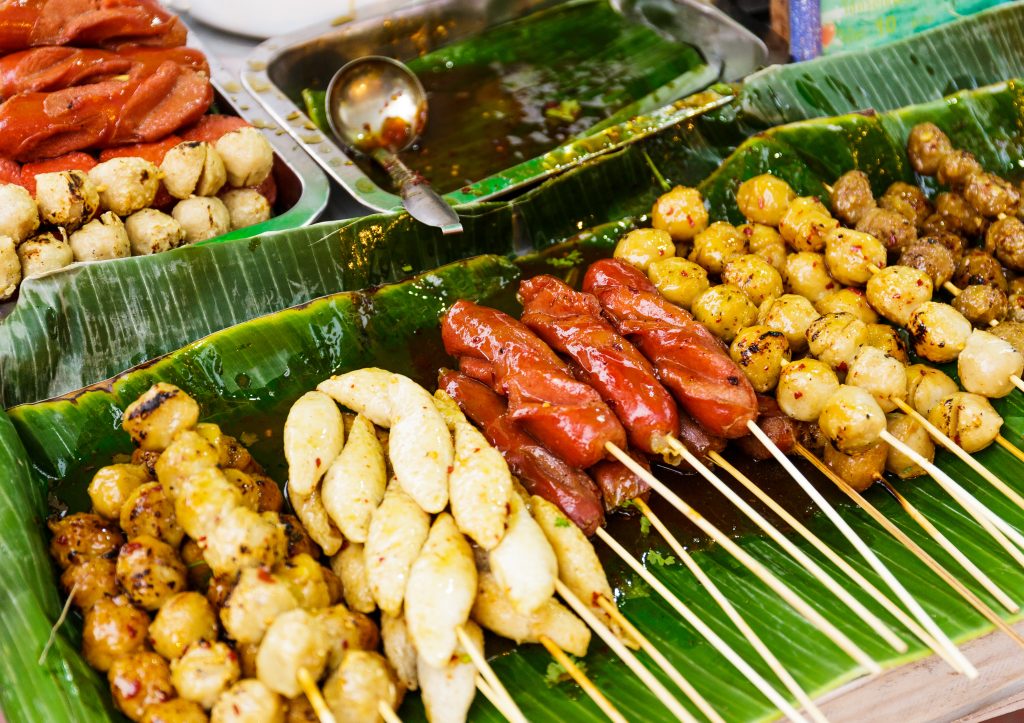
Unlabeled street food with unknown meat origins
🔖 Stick with whole, simple foods when you’re unsure.
🙌 10. Join Muslim Travel Communities Online
Platforms like:
-
Facebook Groups (e.g., Muslim Travelers, Halal Travel Worldwide)
-
Reddit (r/MuslimTravel)
-
Instagram hashtags like #HalalEats or #HalalTravel
👫 Tap into the wisdom of other Muslim travelers who’ve already been where you’re going.
🌟 Final Thoughts: Halal Is About Intention and Effort
While you might not always have full halal options available, intention, awareness, and effort matter. Islam encourages making the best choices within your means.
So whether you’re exploring Tokyo, hiking in Europe, or road-tripping in the U.S., halal travel is not just possible—it’s empowering.