
Top 10 Essential Halal Travel Tips Every Muslim Should Know
Traveling as a Muslim can be a deeply rewarding experience—exploring the world while staying true to your faith. Whether you’re jet-setting for leisure, work, or spiritual enrichment, halal-conscious travel is possible with a bit of planning. Here are 10 essential halal travel tips to make your journey smoother, spiritually fulfilling, and worry-free.
1. Research Halal-Friendly Destinations
Start your journey by choosing destinations that are welcoming to Muslim travelers. Countries like Malaysia, Turkey, UAE, Indonesia, and Bosnia are known for their halal-friendly amenities, prayer facilities, and abundance of halal food options.
2. Use Halal Travel Apps
Apps like HalalTrip, Muslim Pro, Zabihah, and HappyCow can help you find halal restaurants, prayer spaces, and Qibla directions. Download them before your trip so you’re well-prepared on the go.
3. Check for Prayer Spaces at Airports and Attractions
Many international airports and popular tourist attractions offer prayer rooms. Do a quick check online or ask information desks when you arrive. It saves time and ensures you don’t miss salah while sightseeing.
4. Pack Smart: Don’t Forget the Essentials
Pack items like a compact prayer mat, a travel-friendly abaya or thobe, a digital Qibla compass, and a copy of the Qur’an or Islamic book. These items can make it easier to maintain religious practices, especially in places with limited resources.
5. Learn Key Phrases in the Local Language
Knowing how to say “Is this halal?” or “Where is the nearest mosque?” in the local language can be incredibly helpful. A quick phrasebook or translation app will make communication smoother and avoid any confusion.
6. Book Accommodations with Muslim-Friendly Services
Some hotels offer halal meals, alcohol-free rooms, or even prayer facilities. Look for hotels labeled as “Muslim-friendly” or filter by such amenities on booking sites. You can also contact the property directly to ask.
7. Time Your Trip Around Islamic Calendar
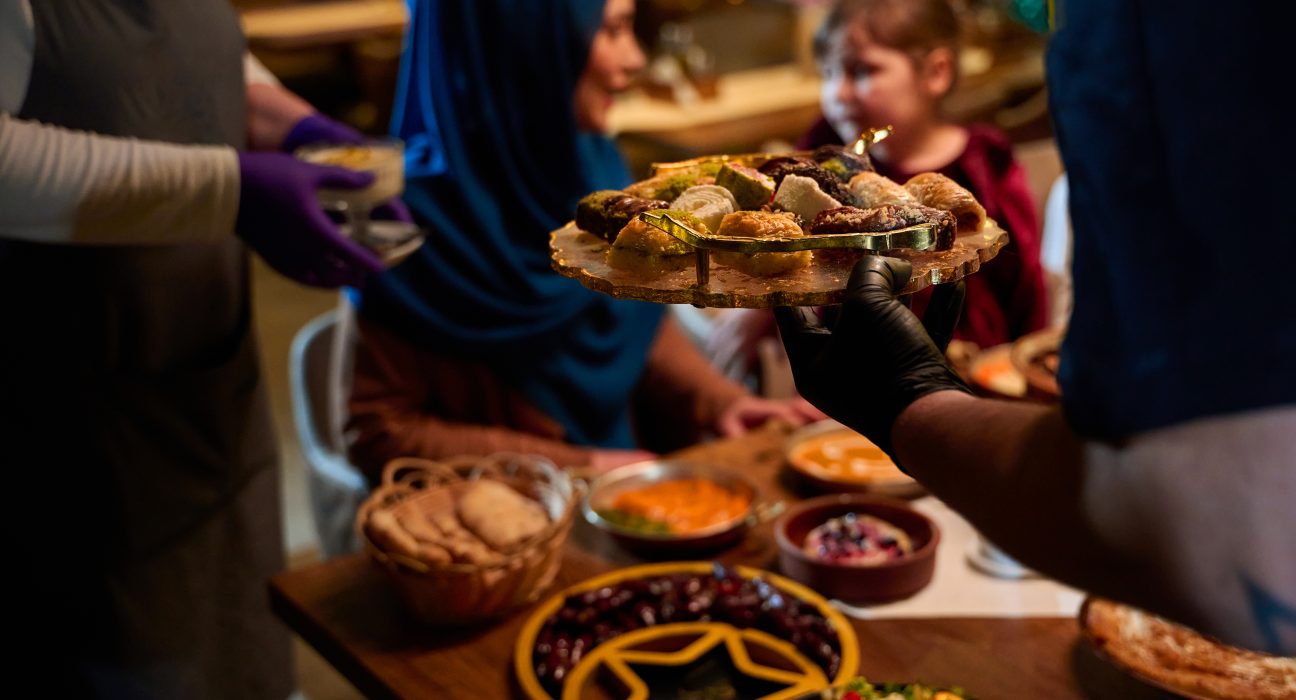
Plan your travel around Ramadan or Eid if you want a unique cultural experience. Some destinations host beautiful iftar events and Eid festivals. On the other hand, avoid travel during fasting hours if you’d prefer restaurants to be open.
8. Locate Nearby Mosques Before You Go
Use Google Maps or apps to mark nearby mosques at your destination. This makes it easier to plan your day around salah, especially when sightseeing or on long tours.
9. Carry Snacks for Backup
In places where halal food is scarce, having snacks like nuts, protein bars, or instant halal meals can be a lifesaver. It’s especially helpful during long transit times or rural visits.
10. Respect Local Cultures, But Stay True to Your Values
Every culture has its norms, so always be respectful. At the same time, don’t be afraid to politely ask for halal options or prayer accommodations. Most people appreciate when travelers honor their own faith respectfully.
Final Thoughts
Halal travel doesn’t have to be difficult—it just requires a bit of thoughtful planning. With the right tools and mindset, you can explore the world without compromising your values. So get your passport ready, pack your prayer mat, and start planning your next Muslim-friendly adventure!