
Why Some Ingredients May Not Be Halal
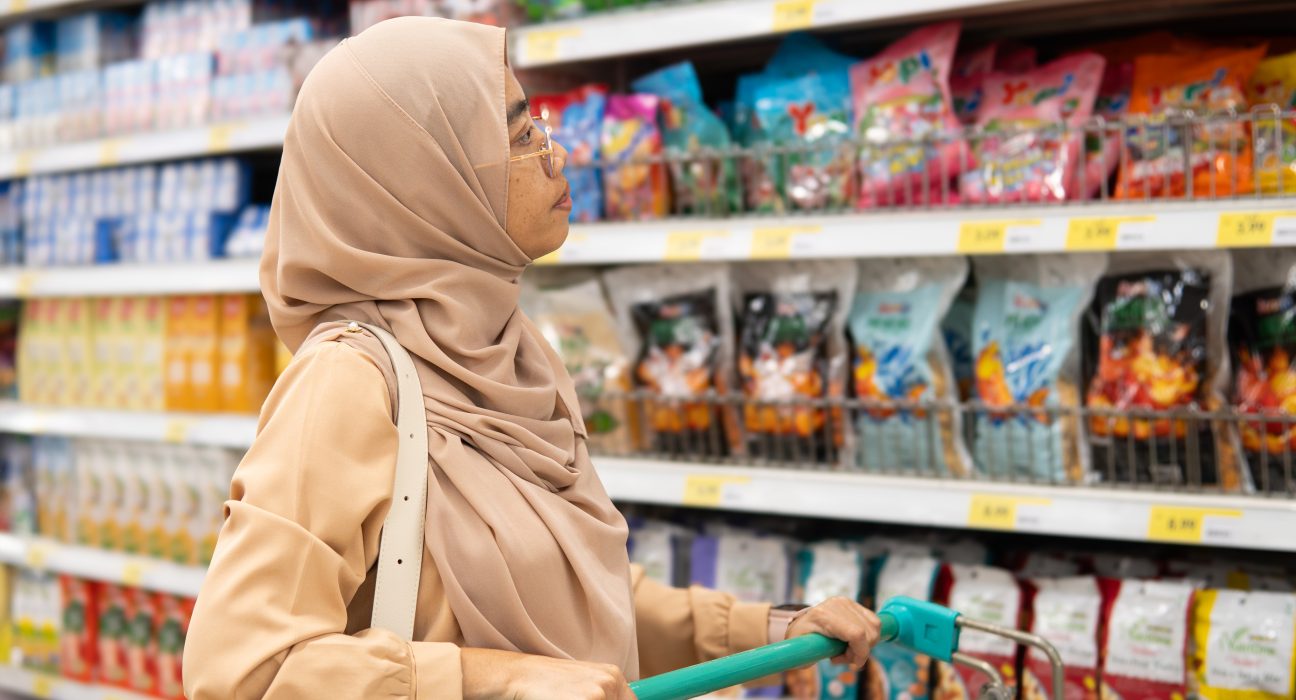
Understanding Hidden Risks in Everyday Food
When people think of halal, they often focus on meat. But halal guidelines go far beyond how an animal is slaughtered. Many everyday ingredients—often found in packaged or processed foods—may not be halal, even if they appear innocent.
So why are some ingredients not considered halal? Let’s break it down and help you shop, eat, and live more consciously.
🚫 1. Derived from Haram Animals
Some ingredients are made from non-halal or haram animals (like pigs or animals not slaughtered Islamically):
-
Gelatin – often derived from pig skin or bones
-
Rennet – used in cheese-making; can be from non-halal animal stomachs
-
Lard – pig fat used in pastries and baked goods
-
Animal enzymes – commonly used in flavoring or as preservatives
🧴 Always check the source of animal-derived ingredients—even in candy, yogurt, or chips!
🍷 2. Contains Alcohol or Alcohol Byproducts
Islam forbids the consumption of alcohol, and that includes ingredients like:
-
Vanilla extract – often alcohol-based
-
Wine or beer – used in cooking sauces or marinades
-
Fermented flavorings – some vinegars or soy sauces contain trace alcohol
-
Ethyl alcohol – sometimes used as a solvent in processed foods
⚠️ Even small traces can render a product non-halal unless the alcohol is completely evaporated and not derived from intoxicating beverages.
🧬 3. Ambiguous or Synthetic Origins
Some ingredients sound harmless but may have questionable sources:
-
Mono- and diglycerides – emulsifiers that can be from plant or animal fat
-
Flavorings or “natural flavors” – unclear what they’re made of unless specified
-
Glycerin – used in sweets and medications; can be animal- or plant-based
-
E numbers – European food additives, some of which are haram (e.g., E120: carmine from insects)
📦 When in doubt, contact the manufacturer or look for halal certification.
🧫 4. Cross-Contamination Risks
Even if an ingredient itself is halal, how it’s handled matters:
-
Cooked or processed on equipment also used for pork
-
Packaged in facilities that process haram items
-
Exposed to alcohol-based sanitizers or glazes
🍽️ Restaurants, bakeries, and factories need strict separation to maintain halal status.
🛑 5. Unethical or Harmful Practices (Tayyib Concerns)
Islam promotes not just what is halal but also tayyib—meaning good, clean, and wholesome. Some ingredients might be technically halal but raise ethical or health concerns:
-
Artificial colors or preservatives linked to health risks
-
GMOs or hormone-injected meat (a concern for some scholars)
-
Ingredients from unsustainable sources
🌿 Tayyib reminds us that halal isn’t just about what we eat—but how it’s made.
✅ How to Stay Safe as a Halal Consumer
Here are a few tips:
-
Look for halal-certified products from trusted agencies
-
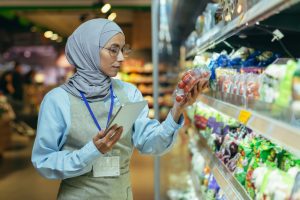
Read labels carefully, especially in processed or imported foods
-
Use halal ingredient checker apps like Scan Halal or Muslim Pro
-
Contact brands directly to ask about unclear items
-
Follow halal food blogs or Instagram pages for community advice
🕌 Final Thoughts
Just because something doesn’t contain pork or alcohol doesn’t automatically make it halal. Ingredients can hide behind science-y names, obscure processing methods, or vague labeling. But being an informed halal consumer doesn’t have to be hard—it just takes a little curiosity and vigilance.
By asking questions and doing our research, we can ensure our food not only meets halal standards but also reflects the values of care, ethics, and health that define a truly halal lifestyle.