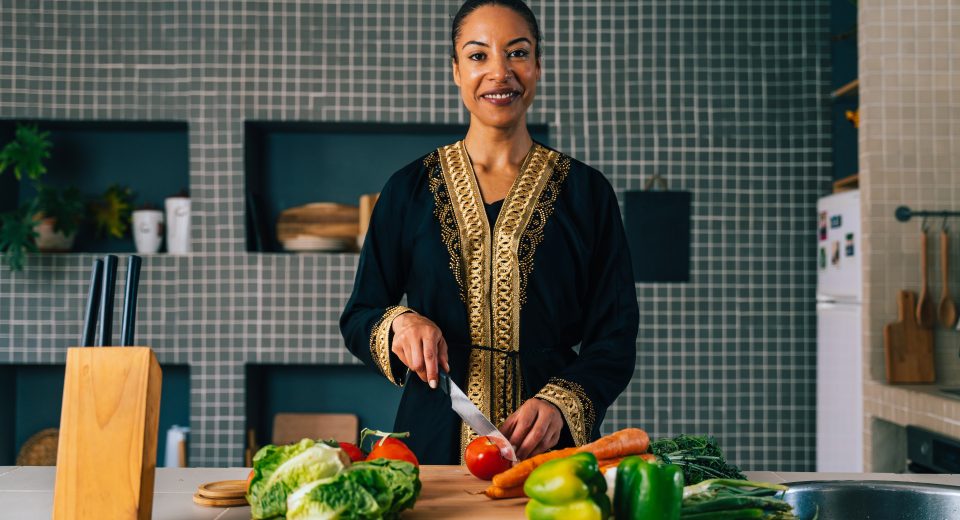
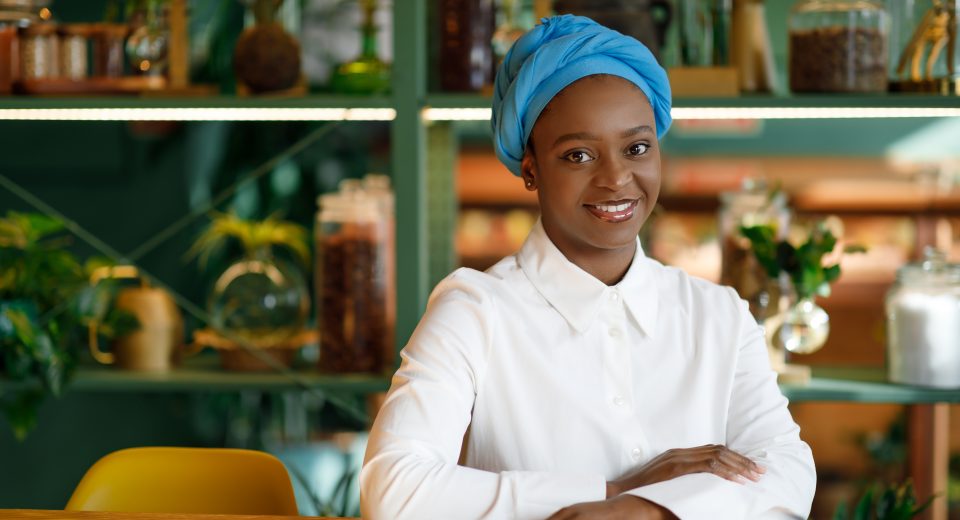
Influencer Interview #2: Sarah – Food Blogger and Influencer
Sarah, we’ve seen a huge rise in interest in Halal food. Why do you think it’s so popular, especially among non-Muslims?

Subscribe to our newsletter to get our newest articles instantly!


Sarah, we’ve seen a huge rise in interest in Halal food. Why do you think it’s so popular, especially among non-Muslims?
Halal food is more than just a dietary requirement; it’s a way of life. To me, it’s about respecting both the food and the source.
Halal beauty products are becoming more and more popular as Muslims look for cosmetics, skincare,
In today’s global market, more brands are labeling their products as “halal-friendly”—but does that always mean they’re truly halal?
Whether you’re working from home, traveling, or just craving a guilt-free treat, finding halal-certified snacks that are both tasty and trustworthy can be a challenge—especially online
The word “halal” is becoming more visible around the world—on restaurant menus, product packaging,
In Islam, the concepts of halal and haram help Muslims navigate life in a way that aligns with their faith. But these terms aren’t just about food—they apply to almost every aspect of daily living, from money and clothing to relationships and behavior.
You’ve probably seen the word “halal” on restaurant menus, food packaging, or travel blogs—but what does it really mean? For Muslims around the world, halal is more than just a food label. It’s a way of life rooted in faith, ethics, and mindfulness.
Travel can be exciting, refreshing, and even life-changing—but it can also disrupt your spiritual routine.
Finding halal food while traveling can be one of the biggest concerns for Muslim travelers—especially in countries where halal options aren’t always clearly labeled.